Why Choose a TIG Welding Machine for Precision Welding?
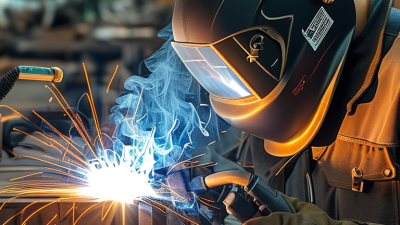
When weld quality depends on control, a tig welding machine offers a precise and practical solution. It gives skilled operators direct control over current, arc length, and filler metal. This control matters when joining stainless steel, aluminum, titanium, or thin sheet metal. A clean weld can begin with a stable arc and careful preparation.
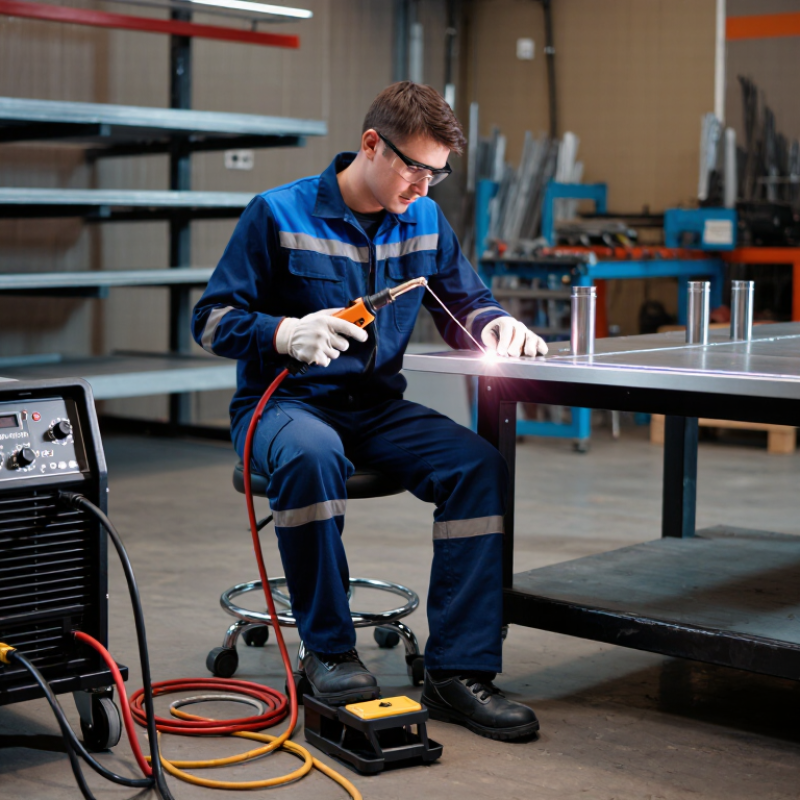
In workshop use, the foot pedal helps adjust amperage during each weld. Operators can reduce heat near edges and prevent burn-through on delicate parts. High-frequency starting also helps create a focused arc without touching the tungsten electrode. The result is often a narrow heat-affected zone and a cleaner surface. Small details matter.
However, TIG welding is not automatically better for every project. It usually requires more preparation, slower travel speeds, and stronger operator discipline. A contaminated tungsten can quickly weaken arc stability. Excessive shielding gas can also create turbulence and reduce protection. These practical issues deserve attention before choosing equipment.
A reliable machine should provide stable output, clear controls, suitable duty-cycle ratings, and dependable service support. Experienced welders should also consider material thickness, joint design, production volume, and available power. Manufacturer specifications help, but real performance depends on setup and technique. That is where judgment matters.
The best choice is rarely based on maximum amperage alone. It depends on consistent results, operator comfort, and long-term maintenance. A TIG machine may feel slower at first. Yet its precision can reduce grinding, rework, and visible defects when properly applied. Mistakes still happen. Careful testing remains essential.
TIG Welding Basics and How the Process Works
Why Choose a TIG Welding Machine for Precision Welding?
Tungsten inert gas welding, or TIG, uses a non-consumable tungsten electrode to create an arc. Shielding gas, usually argon, protects the molten pool from air. The welder can add filler metal separately, or weld without it. ISO 4063 identifies TIG as process 141, giving engineers a consistent technical reference. The arc stays focused. This control suits thin stainless steel, aluminium, and detailed joints.
A TIG machine offers adjustable current, often through a foot pedal. This allows the operator to reduce heat near an edge or increase it across thicker material. Alternating current helps clean and weld aluminium oxide. Direct current supports stable welding on many steels and stainless alloys.
In my workshop experience, clean tungsten and tight gas coverage matter as much as machine settings. A dirty cup can produce grey contamination and weak-looking beads.
Precision still demands patience.
My first TIG passes were sometimes too cold, leaving poor fusion beneath attractive ripples. Small errors show. The American Welding Society’s welding guidance consistently links joint quality with procedure control, operator skill, and surface preparation.
Workforce pressure also makes repeatable methods important. The U.S. Bureau of Labor Statistics projects a 2% decline in welding-related employment from 2023 to 2033, while forecasting about 42,600 openings annually. A reliable TIG setup can support training, inspection, and repeat production, although it is rarely the fastest process for heavy fabrication.
Key Features That Enable Precision Welding
A TIG welding machine earns its place when control matters more than speed. Its stable arc helps produce narrow, clean welds on stainless steel, aluminum, and thin sheet metal. In practical work, that control reduces distortion around delicate joints. The difference is visible.
High-frequency arc starting is a valuable feature. It starts the arc without striking the tungsten against the workpiece. This helps protect the electrode and keeps the weld area cleaner. Adjustable amperage gives the operator finer control over heat input. A foot pedal can change current during the weld, which helps manage corners and changing material thickness.
Pulse welding adds another layer of precision. It alternates between peak and background current, limiting heat buildup. This is useful for thin materials and visible welds. AC balance and frequency controls improve aluminum welding by supporting oxide cleaning and arc focus. A clear digital display also makes settings easier to repeat. That matters during production work.
Gas pre-flow and post-flow protect the weld pool and tungsten. Overheating protection supports safer, more consistent operation during demanding cycles. Torch comfort should not be ignored. A stiff cable can disturb hand movement and reduce accuracy. From hands-on practice, even advanced controls cannot replace proper cleaning, fit-up, and shielding gas coverage. I still find that small surface contamination can ruin an otherwise careful weld. No machine removes every variable. The operator must keep checking the arc, puddle, and finished bead.
Why Choose a TIG Welding Machine for Precision Welding?
TIG welding supports precise heat control, making it suitable for thin materials and clean, controlled welds. The chart shows typical DCEN current ranges associated with common tungsten electrode diameters. Selecting the correct electrode size helps maintain arc stability and control heat input.
Typical DCEN amperage ranges: actual settings vary with electrode type, material, shielding gas, joint design, and welding position.
Materials and Applications Suitable for TIG Welding
TIG welding suits materials that demand clean, controlled heat. In my workshop experience, stainless steel responds especially well to its stable arc and narrow weld profile. The finished joint can remain smooth, bright, and easy to inspect. Aluminum also benefits from alternating current, which helps remove surface oxide during welding. However, aluminum conducts heat quickly. I still misjudge travel speed sometimes, especially on thin sheets.
Titanium and nickel alloys are suitable when contamination control matters. A clean tungsten electrode, dry filler rod, and steady shielding gas are essential. Even a small draft can discolor titanium and weaken its surface protection. Copper can also be TIG welded, although its high thermal conductivity requires careful heat management. Thin copper parts may demand preheating or a different welding approach.
Common applications include food-processing equipment, laboratory assemblies, bicycle frames, automotive exhaust sections, and precision pipework. TIG is useful for visible seams where appearance and control matter. It also performs well on root passes in stainless steel tubing. The process is slower than many alternatives, particularly on thick material. That limitation is easy to overlook. Joint preparation, fit-up, and cleanliness often affect results more than machine settings. A skilled operator watches the puddle closely, adjusts torch distance, and adds filler only when needed.
How TIG Compares With Other Welding Methods
TIG welding earns its reputation through control, especially on thin metal and visible joints. It uses a nonconsumable tungsten electrode and a separate filler rod. This arrangement lets the welder adjust heat and filler independently. Compared with MIG welding, TIG usually produces cleaner beads with less spatter. The arc feels quieter. On stainless steel, aluminium, and precise repair work, that control can prevent burn-through and uneven edges. However, TIG demands steady hand movement, clean surfaces, and careful gas coverage.
MIG welding feeds wire continuously, making it faster for longer seams and heavier fabrication. That speed matters in production. Yet wire feed can hide poor fit-up until defects appear. Stick welding is practical outdoors and handles thicker steel well, but it creates more slag and usually needs greater cleanup. Flux-cored welding offers strong deposition rates and better wind tolerance than TIG. TIG generally remains slower, particularly when joints require repeated passes. This is where efficiency becomes a serious trade-off.
Laser welding can deliver narrow, low-heat welds, but it requires specialized equipment and controlled setup conditions. TIG equipment is often more flexible for maintenance, custom work, and small batches. In my practical experience, the best results came from correct joint preparation rather than maximum machine power. My first assumption was wrong: higher precision does not always mean better productivity. A skilled operator can still lose accuracy through poor torch angle, contaminated filler, or rushed cooling. Even excellent technique cannot fully repair badly aligned parts.
Factors to Consider Before Choosing a TIG Welding Machine
Why Choose a TIG Welding Machine for Precision Welding?
Choosing a TIG welding machine starts with the workpiece, not the machine’s advertised power. For stainless steel, aluminum, and thin sheet, stable low-amperage control matters more than a large maximum output. Check the machine’s minimum current, pulse settings, arc stability, and AC balance. A 10-amp minimum can make a visible difference on thin tubing. The American Welding Society identifies process control and welder skill as major factors in weld quality, so a simple interface may reduce setup errors.
Duty cycle also deserves careful attention. A machine rated at 200 amps and 60% duty cycle can weld for six minutes within a ten-minute period at that output. Real workshops often operate near thermal limits. Poor ventilation, long torch cables, and hot work areas can reduce practical performance. Select a model with thermal protection, clear ratings, and suitable water or air cooling. Do not trust attractive numbers alone.
Power supply compatibility is another practical concern. Confirm input voltage, phase requirements, and generator compatibility before purchase. The U.S. Bureau of Labor Statistics projects a 2% decline in welding employment from 2023 to 2033, increasing pressure for efficient, repeatable work. Training time matters too. I have found that excessive controls can slow new operators, although experienced welders may need them. The perfect machine probably does not exist. Measure your materials, production rhythm, repair access, and operator experience before deciding.
Related Posts
-
What Is the Best TIG Welding Machine from China?
-
10 Tips for Choosing the Best TIG Welder for Your Projects?
-
Top 10 MIG TIG Welders for Every Welding Project?
-
Top 10 MIG and TIG Welders for Global Buyers Seeking Quality?
-
Top 10 MIG and TIG Welder Options for Your Welding Needs?
-
Top Tips for Selecting the Right Tig Welder for Your Needs?