Top Marking Machine Manufacturers in China for Global Buyers

For global buyers, choosing a marking machine manufacturer in China is not simply a price comparison. The right supplier must match the equipment to the material, production speed, marking depth, and required code legibility. A laser marking machine may suit a metal part moving down an automated line, while another process may fit different materials or operating needs. Details matter. A blurred serial number or inconsistent mark can create costly rework.

W. Edwards Deming, a leading manufacturing quality expert, said, “Quality comes not from inspection, but from improvement of the production process.” His point applies to equipment selection: buyers should assess the whole process, not just the machine’s headline specifications. Ask for sample marks on your own materials, clear technical documentation, and practical details about installation, training, spare parts, and after-sales support. Then check whether the proposed system fits your actual workflow. A polished demonstration is useful, but it is not a production test.

This guide introduces leading marking machine manufacturers in China and the factors global buyers can compare. It considers technology, customization, quality controls, and export support without treating every supplier as interchangeable. Some specifications may look convincing on paper. They still need verification. Even a careful shortlist cannot replace a real sample test—and that is an imperfect, sometimes inconvenient step worth taking.
Top Marking Machine Manufacturers in China for Global Buyers

China’s Marking-Machine Industry: Laser, Dot-Peen, Inkjet, and Scribe Systems

China’s marking-machine industry covers laser, dot-peen, inkjet, and scribe systems, each suited to different materials and production conditions. A sharp sample is not proof of reliable production.

Laser machines use a focused beam to create permanent marks on metals, plastics, and other compatible surfaces. They offer clean results without direct contact, but highly reflective materials may need careful parameter testing.

Dot-peen machines press a stylus into metal, leaving a row of small impressions. They are useful for durable identification on rough or curved parts, though impact noise and surface deformation can matter.

Inkjet systems apply fast-drying fluid marks and work well on moving lines, cartons, or coated components. Ink choice, drying time, and surface cleanliness affect readability.

Scribe systems drag a carbide or diamond tip across a surface to form continuous, quiet marks, often on metal parts. Their results can vary with tool wear and material hardness.

Buyers should test actual workpieces, not just display samples, and check mark contrast, cycle time, fixture access, and maintenance needs. Even then, one test rarely reveals every production issue.

Laser Benchmarks: 1,064 nm Fiber, 10.6 μm CO₂, and 355 nm UV

Top Marking Machine Manufacturers in China for Global Buyers

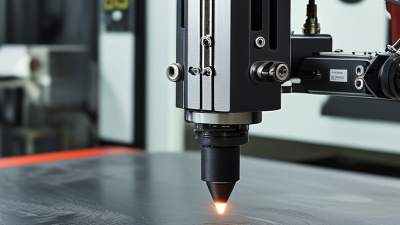
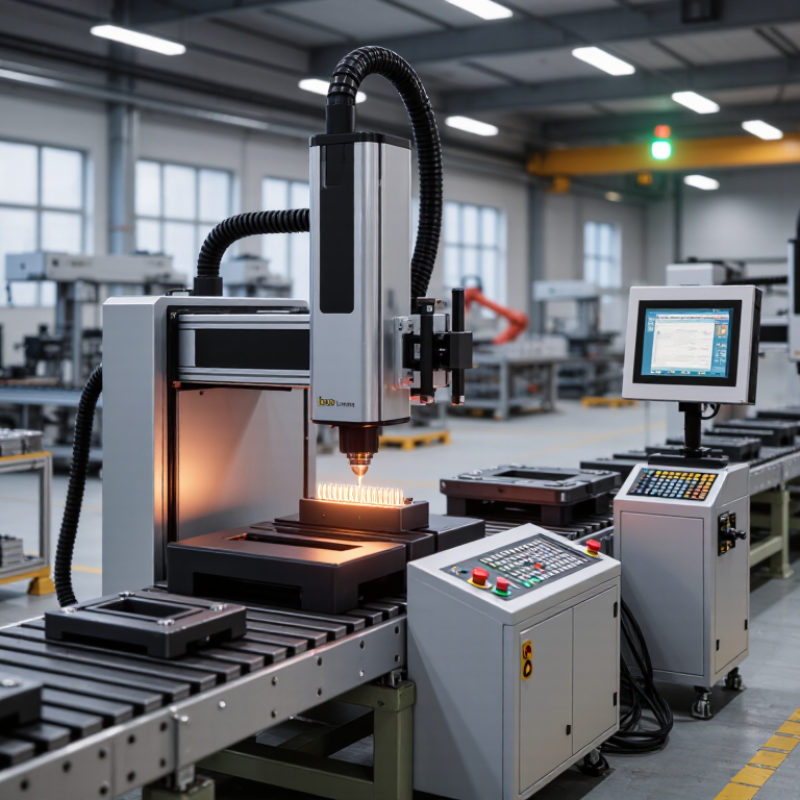
Laser wavelength shapes the mark more than a machine’s headline power. A 1,064 nm fiber laser is a practical benchmark for stainless steel, aluminum, and many other metals. It can produce crisp serial numbers on a small metal plate. A 10.6 μm CO₂ laser is commonly chosen for wood, paper, leather, and acrylic. Material coatings and color still affect the result. There is no universal winner.

Tips: Ask for test marks on your own material, not just a polished showroom sample. Check line clarity, cycle time, and readability after cleaning. Record the lens, settings, and surface finish used; otherwise, comparisons can mislead.

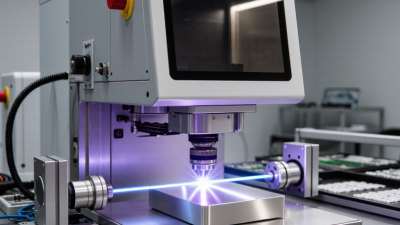
A 355 nm UV laser can mark some plastics and sensitive surfaces with less heat impact than many infrared systems. That does not guarantee a clean result on every polymer. Request samples with fine text, logos, and realistic production spacing. Buyers should also review enclosure design, extraction options, software language, spare-part availability, and remote support. Ask how the machine performs after extended operation, not only during a short demonstration. A supplier’s answer may be incomplete, so verify important claims with repeatable tests. The best choice depends on the material, mark, and daily workload.

Leading Chinese Manufacturers: Compare Applications, Output, and Export Reach

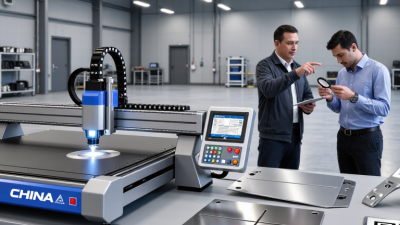
Chinese marking-machine manufacturers serve different production needs, from serial numbers on steel components to batch codes on plastic packaging. Laser systems suit permanent, high-contrast marks; dot-peen units are often considered for durable metal parts. Inkjet equipment can fit fast-moving lines, but ink choice and surface condition affect results. Match the process to your actual materials, mark size, and daily volume.

Output figures need context. Ask whether a quoted rate includes part loading, positioning, and inspection, or only marking time. A machine that marks quickly may still slow a line if fixtures are awkward. Export reach also varies: check which regions the supplier serves, what languages its manuals support, and how spare parts are shipped. These details are easy to overlook. I would not treat a broad export claim as proof of responsive local support.

Tips: Ask for evidence. Test real parts. Request a sample using your own material and artwork, then inspect contrast, legibility, and cycle time. Small details matter. Also confirm installation requirements and after-sales response times in writing; vague answers deserve a second look.

Traceability Standards: ISO/IEC 16022 Data Matrix and ISO/IEC 15415 Grading

For global buyers, traceability begins with a symbol that scanners can read consistently. ISO/IEC 16022 defines the Data Matrix symbology, including its structure and encoding rules. ISO/IEC 15415 provides a method for grading the printed quality of two-dimensional symbols. These standards serve different purposes. One defines the code; the other assesses its readability characteristics.

When evaluating a marking machine, ask for samples on your actual material, not only on a smooth test card. A code on brushed stainless steel may behave differently from one on a coated plastic enclosure. Check contrast, cell shape, quiet zone, and overall grade with a calibrated verifier. Small marks matter. Record settings such as laser power, speed, and focus, then repeat the test across several parts. A strong grade is useful, but it is only a snapshot under stated measurement conditions. It cannot promise reliable scanning across every camera, angle, or production shift. That distinction is easy to overlook. Ask suppliers to explain their test setup and share results from repeat runs, including any weak samples. A few imperfect marks can reveal more than one polished demonstration.

Global-Buyer Checks: IEC 60825-1 Laser Classes, Service, and Compliance

Laser safety documentation
For global buyers comparing marking-machine manufacturers in China, laser safety documentation deserves close attention. Ask which laser class applies to the machine as delivered and during normal operation. IEC 60825-1 classification depends on accessible laser radiation, not simply the source’s stated power. An enclosed machine may reduce exposure, but guards, viewing windows, and interlocks still need clear documentation. Request the test report, user manual, warning-label details, and maintenance instructions. Details matter. Check that documents identify the exact model and configuration you plan to purchase.

Service and support
Service quality is practical, not just a line in a quotation. Ask how quickly technicians respond across time zones, which spare parts are stocked, and whether remote support includes qualified troubleshooting. Request a sample service record or a parts list with replacement intervals. A tidy certificate folder is reassuring, but it is not proof that your installed setup matches the tested configuration. That distinction can be easy to miss. Confirm whether training covers safe operation, routine checks, and what to do when an interlock fails. Also ask the supplier to explain which compliance documents apply to your destination and who verifies them. Requirements can differ by market and machine setup, so have the details reviewed before shipment.