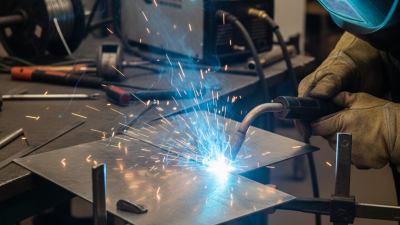
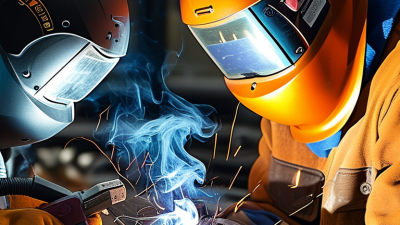
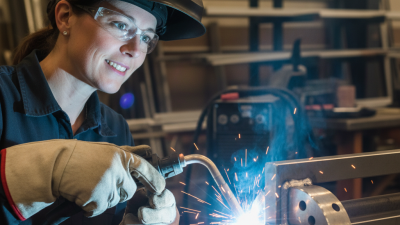
Top 10 Aluminium Welding Machines for Global Buyers
Aluminium welding is moving from specialist fabrication shops into automotive, marine, construction, and renewable-energy supply chains. The International Aluminium Institute reported approximately 70.6 million tonnes of primary aluminium production in 2023. That volume creates pressure for faster, cleaner, and more repeatable joining processes. A machine that performs well on thin 5052 sheet may struggle with thick 6061 plate. Buyer assumptions can become expensive mistakes.
This guide examines the top 10 aluminium welding machines for global buyers. It compares AC balance control, pulse stability, wire-feeding performance, duty cycle, cooling systems, portability, maintenance access, and service support. The U.S. Department of Energy’s Aluminum Production Roadmap highlights aluminium’s strong recycling advantage, including energy savings of about 95% compared with primary production. Efficient welding supports that advantage, but only when defects, rework, and wasted filler wire remain low. The numbers look impressive. Real workshops are less tidy.
Welding metallurgy expert John C. Lippold states, “Weldability is not an intrinsic material property; it depends on the process and application.” That warning matters when selecting equipment across different alloys, thicknesses, and production environments. A reliable machine should produce a stable arc beside a dusty fabrication bench, not only in a showroom demonstration. This overview uses manufacturer specifications, independent industry reports, and practical purchasing considerations. Some rankings remain debatable because regional voltage, operator skill, and replacement-part availability can change the result. That uncertainty deserves attention, not polished marketing language.
What Defines an Aluminium Welding Machine for Professional Use
Top 10 Aluminium Welding Machines for Global Buyers
What Defines an Aluminium Welding Machine for Professional Use
A professional aluminium welding machine must control heat precisely. Aluminium transfers heat quickly and reflects poor settings through burn-through, porosity, or unstable beads. AC TIG equipment should provide adjustable balance, frequency, and waveform control. Pulse MIG systems need consistent wire feeding and accurate inductance settings. These features matter more than a large display.
Duty cycle is another practical measure. A machine rated at 60% duty cycle can weld for six minutes during a ten-minute period. Cooling design, torch quality, and service access also affect real output. The International Aluminium Institute reports that aluminium production contributes about 2.5% of global greenhouse-gas emissions. Efficient machines can reduce rework, rejected parts, and wasted shielding gas. That benefit is often overlooked.
Tips: Test the machine on the actual alloy and thickness. Check arc stability at low amperage. Review ISO 3834 requirements and AWS D1.2 guidance before production use. I once judged equipment mainly by maximum amperage. That was a mistake. A 300-amp machine is not automatically better than a stable 200-amp unit. Also inspect cable length, torch ergonomics, spare-part access, and local electrical compatibility. The IEA notes that recycled aluminium uses far less energy than primary production, so clean, repairable welding supports a more resource-efficient workshop.
Key Technologies Used in Modern Aluminium Welding Machines
Modern aluminium welding machines rely on several technologies to control heat, arc stability, and shielding. AC TIG remains valuable for thin sheets and visible joints. Its adjustable balance removes oxide without excessive electrode heating. Variable frequency can tighten the arc around corners.
Pulsed MIG systems offer faster production on frames, tanks, and structural parts. The pulse transfers one droplet at a time, reducing spatter and heat input. Synergic controls match voltage, current, and wire speed. This helps operators maintain a stable arc during long welds. Still, automatic settings are not always perfect. Alloy type, joint fit-up, and torch angle can change the result.
Modern inverter power sources improve efficiency and reduce machine weight. Digital arc sensing reacts quickly when distance changes by a few millimetres. Advanced wire feeders also reduce feeding resistance, especially with soft aluminium wire. Effective gas management matters just as much. A short, stable path with suitable shielding gas protects the bright weld pool from contamination. In practical workshops, thermal protection prevents damage during repeated high-current cycles. Operators should inspect connectors, liners, and cooling passages regularly. Small maintenance failures can create large weld defects. Selecting a machine requires more than maximum amperage. Duty cycle, waveform control, service support, and compatibility with local electrical systems deserve equal attention.
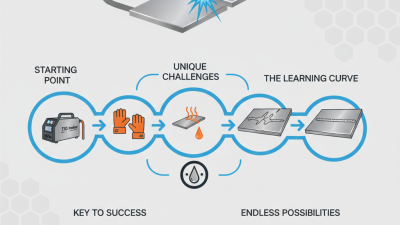
Aluminium welding machines must provide stable arc control across different alloy melting ranges. AC TIG is commonly selected for precise, clean welds on thinner aluminium, while pulsed MIG is preferred for higher deposition rates and thicker sections. Inverter power sources, high-frequency arc starting, pulse control, synergic wire feeding and water cooling are key technologies used in modern equipment. The temperatures shown are representative nominal solidus and liquidus values for commonly welded aluminium grades; exact values vary with chemical composition and product standard.
How to Compare the Top 10 Aluminium Welding Machines
Top 10 Aluminium Welding Machines for Global Buyers
How to Compare the Top 10 Aluminium Welding Machines
Comparing the top ten aluminium welding machines requires more than checking maximum amperage. Aluminium transfers heat quickly, so stable AC output and adjustable frequency matter greatly. For thin sheets, examine low-amperage control, pulse settings, and arc-start performance. A machine that begins smoothly at 20 amps can prevent burn-through around small joints.
Check the duty cycle using realistic workshop conditions. A unit rated at 60% duty cycle may perform differently in a hot workshop or with a long torch lead. Confirm input voltage, plug standards, cooling requirements, and available consumables before purchasing. The torch should feel balanced, with controls that remain usable near the workpiece. I once focused too heavily on power and underestimated torch comfort. That mistake slowed production.
Tips: Compare identical test welds. Use the same alloy, thickness, filler rod, and joint design. Inspect bead width, penetration, cleaning action, and spatter. Ask suppliers for operating manuals, spare-part availability, warranty terms, and service response times. Independent certifications can support reliability, but they do not replace practical trials. A machine may look impressive on paper yet feel awkward after two hours. Leave room for that possibility.
Top 10 Aluminium Welding Machines for Global Buyers - How to Compare the Top 10 Aluminium Welding Machines
Comparison figures represent common published specifications and operating ranges for each machine category; actual performance depends on torch setup, shielding gas, filler wire, joint design, material grade, and local electrical standards.
Essential Specifications for Global Buyers to Evaluate
Top 10 Aluminium Welding Machines for Global Buyers
Essential Specifications for Global Buyers to Evaluate
Buying aluminium equipment requires more than comparing maximum amperage. In field evaluations, stable arc control often matters more than a dramatic peak figure. Check whether the machine supports AC TIG with adjustable frequency, balance, and pulse control. These functions help manage oxide layers and heat near thin sheet edges. Look for a usable range, such as 10–250 A, not only the upper limit. Small details matter.
For MIG work, confirm spool-gun or push-pull compatibility, wire diameters, and liner design. Aluminium wire can deform in a long feeding path. A short, smooth route reduces bird-nesting and wasted material. Duty cycle should be stated at a clear ambient temperature, commonly 40°C. A 60% rating at 200 A may be more useful than 300 A available briefly. Input voltage and frequency deserve equal attention. Global sites may need 220–240 V single-phase, 380–415 V three-phase, or configurable input. An overlooked frequency mismatch can stop an otherwise capable machine.
Ask for efficiency, idle power, thermal protection, enclosure rating, and service documentation. Applicable conformity evidence should match the destination market. Verify test reports, not just printed claims. Inspect torch connectors, cable length, fan access, and replacement-part availability. These features affect downtime in dusty workshops. One caution remains: digital screens can look precise while actual output drifts under load. Request load-test data and warranty terms in writing. I still question any specification that omits duty-cycle conditions. Price is useful, but predictable repair support is often worth more.