2026 Top Aluminium Welding Machine Types?

Choosing the right aluminium welding machine in 2026 requires more than comparing power ratings. Aluminium reflects heat quickly, forms oxide layers, and can distort before the weld appears complete. These behaviors make machine design, operator control, and material preparation equally important.

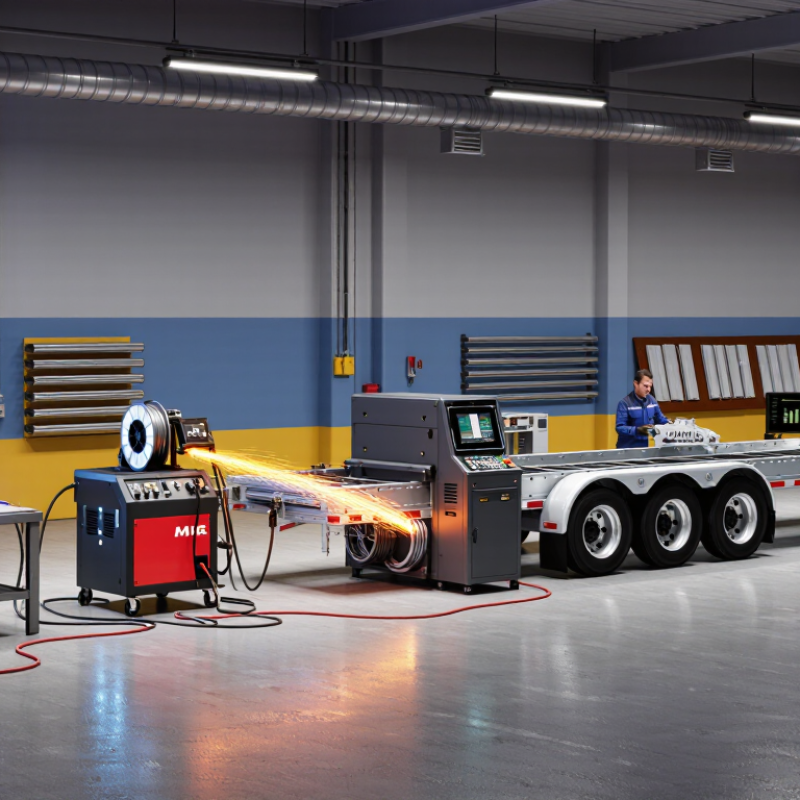
This guide examines the leading machine types used for aluminium fabrication, repair, construction, and industrial production. AC TIG machines remain valued for clean, controlled welds on thin sheet and visible components. MIG machines with spool guns offer faster deposition on frames, trailers, and thicker sections. Pulsed MIG systems can reduce heat input and improve bead control, especially during repeated production work. Robotic aluminium welding machines also deserve attention where consistency, monitoring, and programmed movement matter.

Real workshop experience shows that no single machine fits every alloy or joint. A compact AC TIG unit may produce excellent results on a small bracket, yet feel inefficient on long structural seams. A powerful MIG system may save time, but poor wire feeding can cause frustrating bird-nesting. Small details matter.

Buyers should examine duty cycle, AC waveform control, pulse functions, wire compatibility, torch ergonomics, and service support. Safety features and verified electrical specifications should never be treated as optional. Manufacturer data is useful, but practical testing remains necessary. Even experienced welders can misjudge heat buildup on unfamiliar aluminium grades. That is worth remembering.

The sections ahead compare aluminium welding machine types, practical applications, advantages, limitations, and selection factors. The goal is not to promote the most expensive option. It is to identify the machine that matches the material, workload, skill level, and expected weld quality.
2026 Top Aluminium Welding Machine Types?

What Makes Aluminium Welding Different from Other Metals?

2026 Top Aluminium Welding Machine Types?

Aluminium welding differs because the metal conducts heat rapidly and forms a stubborn oxide layer. That oxide melts at a much higher temperature than aluminium itself. If it remains, the arc may wander and contamination can enter the weld. Heat travels quickly. Clean preparation matters.

AC TIG machines are widely used for thin sheet, visible joints, and controlled repairs. Alternating current helps remove oxide while maintaining a stable arc. Pulsed MIG machines can suit thicker aluminium and longer production welds. Spool-gun systems reduce wire-feeding problems near the torch. These are practical machine types for different workshop demands.

From my workshop experience, aluminium punishes rushed setup. The wire can bird-nest, the puddle can collapse, and excessive heat can distort a panel. My first settings are rarely right. I check alloy thickness, joint fit-up, shielding gas flow, and torch angle before changing amperage. Argon is commonly selected, but poor coverage still causes porous welds. A clean stainless brush should be reserved for aluminium use, not shared with steel. Even then, results may vary with alloy condition, surface moisture, and operator control. Machine specifications help, but they cannot replace a test weld and close visual inspection.

How to Choose the Right Aluminium Welding Machine Type

Choosing an aluminium welding machine starts with the joint, not the catalogue. In shop trials, 2 mm sheet behaves differently from 8 mm plate. Thin sheet punishes heat. An AC TIG machine suits precise work, clean appearance, and controlled heat input. Adjustable AC balance helps remove aluminium oxide while protecting the tungsten. For thicker sections, a pulsed MIG machine deposits metal faster and reduces operator fatigue. A spool gun also keeps soft aluminium wire feeding consistently through a short cable path.

Match the machine output to the thickness you actually weld. A 200-amp unit may handle small fabrications, but repeated work near maximum capacity reduces thermal margin. Check the duty cycle at your working amperage, not the headline peak. Look for stable low-current control when welding thin panels. For field repairs, weight, input power, and gas access may matter more than advanced menus. Keep argon flow steady. Inspect torch consumables before blaming the machine.

Your production method also matters. TIG works well for one-off parts and visible seams, while MIG suits longer welds. Pulse settings can limit distortion, but they cannot replace accurate fit-up and clean surfaces. Test coupons with the same alloy, thickness, and joint position. Record amperage, wire speed, travel speed, and AC settings.

I still see experienced welders choose oversized machines, then struggle with arc control. More power is not automatically better. Leave room for imperfect first tests; aluminium often reveals mistakes after cooling.

Comparing TIG, MIG, and Hybrid Aluminium Welding Machines

2026 Top Aluminium Welding Machine Types: Comparing TIG, MIG, and Hybrid Aluminium Welding Machines

Aluminium demand keeps machine selection important. The International Aluminium Institute reported about 72.6 million tonnes of primary aluminium production in 2024. This volume reflects growing pressure for faster, cleaner fabrication.

TIG machines TIG machines remain strong for thin sheets, visible joints, and careful heat control. AC output helps break aluminium oxide while maintaining a stable arc. The trade-off is speed. TIG also requires greater operator discipline.

MIG machines MIG machines suit frames, tanks, and longer welds. Pulsed MIG reduces spatter and limits heat input, especially on thinner sections. The American Welding Society identifies shielding gas, wire feeding, and joint preparation as critical variables in aluminium welding practice. In busy workshops, a spool gun or push-pull feeder can reduce soft-wire tangling. Small setup errors still create ugly, porous welds.

Hybrid machines Hybrid machines combine process flexibility with programmed controls. Some switch between TIG and MIG, while others combine arc modes for productivity. The U.S. Bureau of Labor Statistics projects 2% employment growth for welders from 2023 to 2033, showing that skilled adjustment still matters. Hybrid equipment may reduce changeover time, but its menus can overwhelm new operators. That weakness deserves honest attention.

A practical choice depends on thickness, joint appearance, production volume, and available training. Machine specifications alone do not guarantee a sound aluminium weld.

Key Machine Features for Aluminium Welding Performance

2026 Top Aluminium Welding Machine Types?

Choosing an aluminium welding machine starts with its control features, not its appearance. AC TIG machines remain strong for thin sheet, precision joints, and visible welds. Pulse MIG machines suit longer seams and higher production speeds. Each type needs stable arc control.

For AC TIG work, adjustable AC balance removes aluminium oxide without excessive electrode wear. AC frequency helps focus the arc on narrow joints. A soft arc can reduce distortion on 2 mm sheet. A sharper arc may improve penetration on thicker sections. High-frequency starting prevents tungsten contamination. It matters.

Pulse controls are valuable for MIG welding aluminium wire. They manage heat input and help limit burn-through. Look for adjustable wire speed, inductance, and crater-fill settings. A reliable machine should maintain a steady arc when the torch angle changes slightly. Real workshops are rarely perfect.

Cooling capacity also affects performance. Air-cooled torches are practical for light work, while water cooling supports long weld cycles. A foot pedal gives finer amperage control near corners and stops. Digital memory can save repeatable settings, but saved values still need checking. Material thickness, joint fit-up, and shielding gas flow change the result. Poor gas coverage ruins good settings quickly. Keep the torch close. Yet even advanced controls cannot replace clean aluminium, dry filler wire, and proper operator training.

Safety, Maintenance, and Future Trends in 2026

In 2026, aluminium welding machines are becoming more specialized. AC TIG machines suit clean, precise joints on thin aluminium sheets. Pulse MIG machines support faster production and reduce heat distortion. Compact inverter units now offer better arc control and lower energy use. Spool-gun systems also help prevent soft aluminium wire from tangling.

Safety remains closely linked to machine setup. Aluminium oxide should be removed with a dedicated stainless-steel brush before welding. Operators need dry gloves, eye protection, flame-resistant clothing, and reliable ventilation. A loose work clamp can cause unstable arcs and sudden heat changes. I have found that checking cables before each shift prevents small faults from becoming expensive repairs. Still, no checklist replaces careful judgment.

Maintenance should include cleaning wire paths, inspecting torch liners, and testing cooling systems. Moisture in shielding gas lines can weaken weld quality. Future machines may track arc data, detect irregular current, and recommend parameter changes. Remote diagnostics could reduce downtime, but software cannot recognize every workshop hazard. Human experience still matters. I would not trust automated settings without checking material thickness, joint fit-up, and surface condition. That extra inspection feels slow, yet skipping it often creates more rework.

2026 Top Aluminium Welding Machine Types: Safety, Maintenance, and Future Trends

The chart shows representative operating-current ranges commonly used for aluminium welding. AC TIG is preferred for precise, clean welds and oxide-breakup control; MIG and pulsed MIG provide higher productivity for medium-to-thick sections. Laser welding can deliver high speed and low heat input but requires tighter joint preparation and stronger safety controls.

In 2026, safe operation will continue to depend on suitable eye and skin protection, fume control, electrical inspection, correct shielding-gas settings, torch and liner cleaning, and regular cable and cooling-system maintenance. Digital monitoring, synergic pulse control, improved energy efficiency, and automated quality tracking are expected to remain important technology trends.