How to Master Gas Tungsten Arc Welding Techniques?
Gas tungsten arc welding (GTAW), known for its precision and versatility, plays a key role in various industries. According to the American Welding Society, GTAW accounts for a significant portion of welding applications, highlighting its importance. Its ability to weld thin materials with high-quality results is unmatched. However, mastering GTAW requires practice and a deep understanding of the technique.
Many professionals struggle with common challenges in gas tungsten arc welding. Issues such as inconsistent arc length and improper filler material usage can affect weld quality. The importance of hourly rates for skilled welders is evident, with a recent report showing that expert GTAW practitioners earn 10-30% more compared to those who specialize in other welding types. It is clear that proficiency in this method can enhance career opportunities significantly.
To navigate these challenges, welders must seek reliable training and resources. Continuous learning and adaptation are crucial in this ever-evolving field. Engaging with industry insights and applying feedback can foster personal growth. Mastering gas tungsten arc welding is not just about technique; it’s about cultivating a mindset of improvement and resilience.
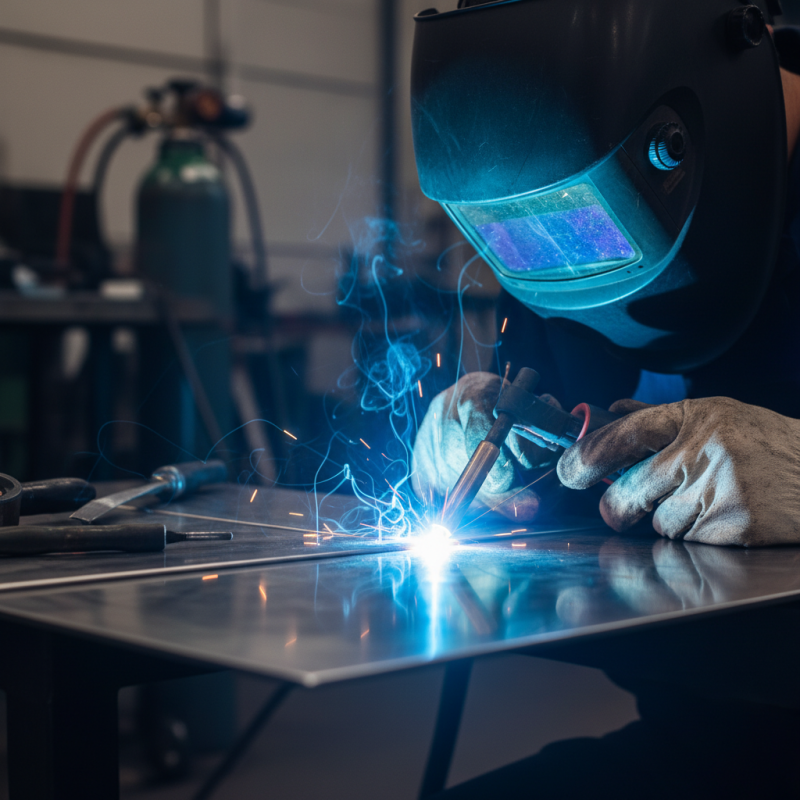
Understanding the Basics of Gas Tungsten Arc Welding (GTAW)
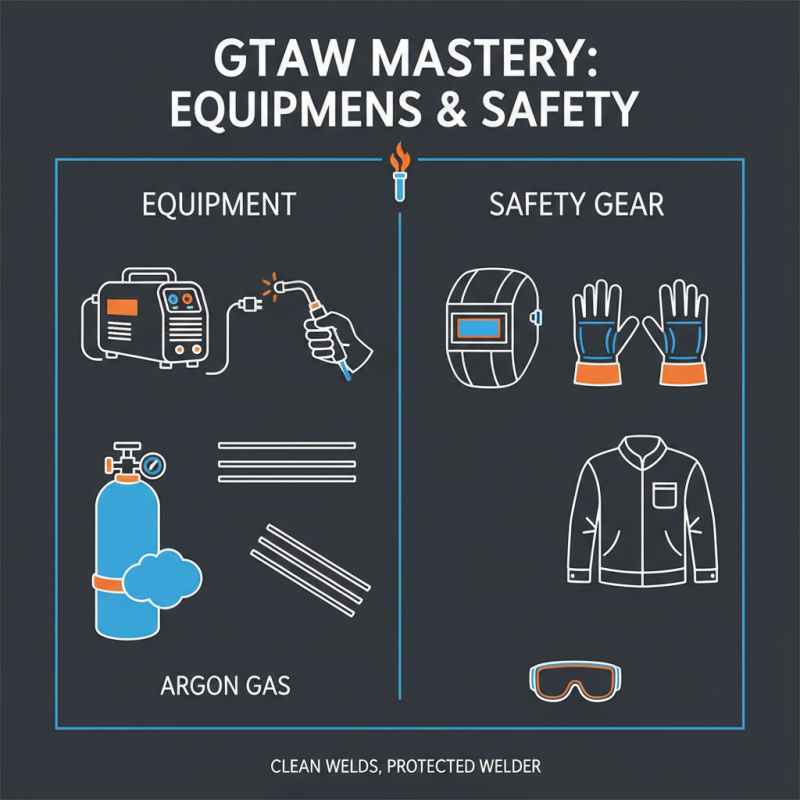
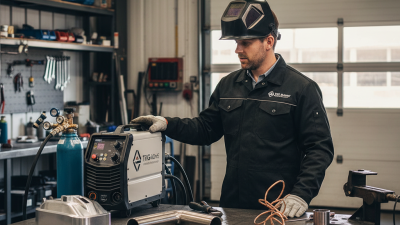
Gas Tungsten Arc Welding (GTAW) is a sophisticated welding process, often favored for its precision and control. Also known as Tungsten Inert Gas (TIG) welding, it utilizes a non-consumable tungsten electrode to produce the weld. According to the American Welding Society, GTAW produces high-quality welds with minimal contamination. This makes it ideal for stainless steel and aluminum applications.
When mastering GTAW, understanding the basics is vital. The process involves shielding the molten weld pool from atmospheric gases using an inert gas, typically argon. A study by the National Institute for Occupational Safety and Health shows a 30% improvement in weld quality when proper shielding techniques are employed. Pay attention to the settings on your welding machine. A slight adjustment in amperage can greatly influence the weld's penetration and overall strength.
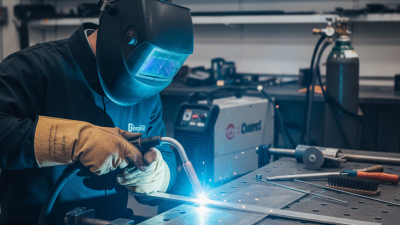
Tips for beginners: Maintain a steady hand while moving the torch. Wobbling can lead to inconsistent welds. Experiment with different torch angles and travel speeds. The right combination can enhance the quality. Additionally, choosing the appropriate filler material is crucial. It should match the base metal to avoid weak joints. Remember, every weld is a learning opportunity. Review your work to identify areas for improvement.
Step-by-Step Procedures for Performing GTAW Techniques
Gas Tungsten Arc Welding (GTAW) is a skill that requires precision and practice. Start by preparing your workspace. Ensure it is clean, well-lit, and free of any flammable materials. Effective GTAW demands a stable environment. Next, select the right tungsten electrode. A common choice is a pure tungsten electrode for thin materials. This choice impacts the arc stability and heat concentration.
Set your equipment properly. Adjust the amperage based on the thickness of the materials being welded. Reports indicate that the ideal amperage ranges from 80 to 150 amps for stainless steel. Ensure your shielding gas flow rate is between 10-20 cubic feet per hour to protect the weld pool. Remember, too much flow can disperse the gas and compromise the weld.
As you begin welding, maintain a consistent travel speed. This is crucial for preventing undercut and excessive heat input. Keep an eye on the bead shape; a good bead should be smooth and shiny. Practice will reveal inconsistencies, which are essential learning moments. Documentation from the American Welding Society suggests that ongoing practice improves skill and minimizes errors. Each flaw offers insight into technique adjustments for future projects.
Troubleshooting Common Issues in Gas Tungsten Arc Welding
Gas Tungsten Arc Welding (GTAW) is known for its precision and control. However, welders often face common issues that can hinder their work. Understanding these problems is crucial for successful welding. A report by the American Welding Society states that about 30% of welding failures stem from improper technique or equipment issues.
One common problem is inconsistent arc length. Maintaining a steady arc is vital for producing quality welds. If the arc is too long, it can lead to burn-through or porosity. A typical recommendation is to keep the tungsten electrode within 1/8 inch of the workpiece. Inconsistent speed during the welding process can also cause uneven beads. It’s essential to practice and develop muscle memory.
Another frequent concern is contamination of the weld pool. Oil, grease, and moisture can severely affect the integrity of a weld. A study showed that 25% of weld defects are associated with surface contamination. Clean the base material thoroughly before welding. Adopting a disciplined cleaning protocol can enhance overall weld quality. Reflecting on these issues allows welders to improve their skills and results consistently.
How to Master Gas Tungsten Arc Welding Techniques? - Troubleshooting Common Issues in Gas Tungsten Arc Welding
| Issue |
Possible Causes |
Solutions |
| Porosity |
Contaminated surface, improper shielding gas, insufficient travel speed |
Clean the weld area, check gas flow, adjust travel speed |
| Inconsistent Weld Bead |
Improper technique, wrong electrode angle, variable travel speed |
Practice steady hand movement, maintain consistent angle, regulate speed |
| Overheating |
Excessive current, long arc length |
Reduce current settings, shorten arc length |
| Lack of Fusion |
Low heat input, incorrect electrode size |
Increase heat input, use appropriate electrode |
| Arc Blow |
Magnetic interference, improper workpiece position |
Change workpiece position, adjust grounding |
Advanced Techniques for Enhancing GTAW Skills
Gas Tungsten Arc Welding (GTAW), or TIG welding, demands precision and technique. Mastering advanced skills can significantly improve weld quality and efficiency. Reports indicate that skilled operators can enhance productivity by up to 30% through technique refinement. Understanding the intricacies of heat input and electrode manipulation is essential for achieving optimal results.
Advanced techniques include controlling travel speed and adjusting torch angle. A 15-degree torch angle can help achieve a more uniform bead. However, many welders overlook this detail, leading to inconsistent welds. Practicing on scrap materials can help refine these controls, providing valuable feedback for improvement.
Moreover, understanding metal preparation is crucial. Clean surfaces minimize contamination and enhance weld quality. Research suggests that 60% of welding defects stem from improper surface preparation. Reflection on past projects can reveal areas for growth. Regularly analyzing your techniques fosters a deeper understanding of the GTAW process and encourages continual learning.