2026 How to Master Aluminium Welding Techniques for Beginners?
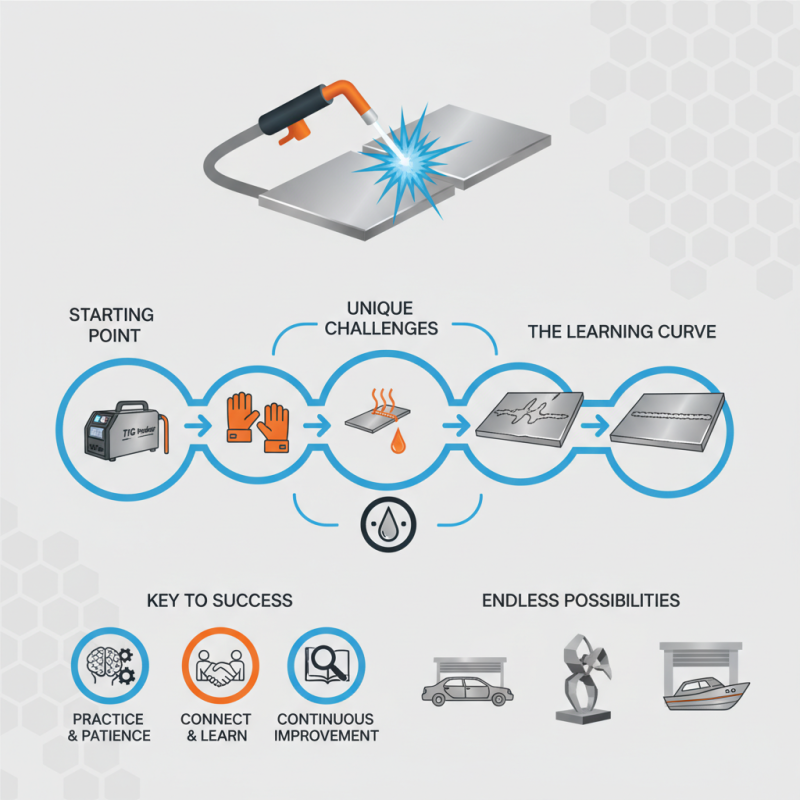
Aluminium welding is a vital skill for those entering the world of fabrication. Mastering aluminium welding techniques opens doors to various projects, from automotive repairs to custom art pieces. Beginners often find aluminium challenging due to its unique properties. Understanding how to handle its lightweight and thermal conductivity is crucial.
With the right guidance, anyone can learn aluminium welding. Starting with proper equipment and safety gear is necessary. The nuances involved can seem intimidating, yet practice is key. Every weld teaches a lesson. Mistakes made early on provide valuable insights. Embracing these challenges paves the way for improvement.
As you embark on this journey, remember that expertise comes with time and effort. Connecting with skilled welders can enhance your learning experience. Their shared stories of overcoming difficulties can inspire new welders. Mastering aluminium welding is an ongoing process that encourages continuous learning and reflection.
Understanding the Fundamentals of Aluminium Welding
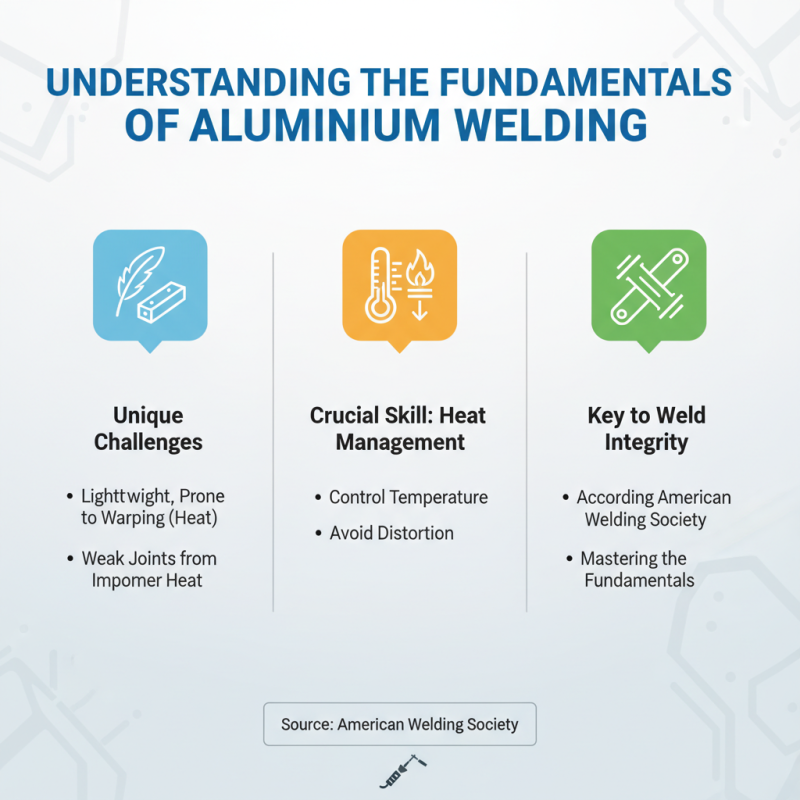
Aluminium welding presents unique challenges for beginners. Understanding the fundamentals is crucial for mastering this skill. Aluminium is lightweight but tends to warp under heat. According to the American Welding Society, improper temperature control can lead to weak joints. Beginners must learn to manage the heat to avoid distortion and ensure weld integrity.
Shielding gas plays a vital role in aluminium welding. Argon is the most common choice. It protects the weld from contamination. Reports indicate that using pure argon enhances bead appearance and reduces porosity. However, some beginners struggle with gas flow settings, leading to defects in the weld. Real-world practice is essential to find the right balance.
Beyond technique, selecting the correct filler material is imperative. This choice affects strength and resistance to corrosion. Experts often recommend 4047 or 5356 alloys for various applications. Beginners sometimes choose the wrong filler, resulting in unsatisfactory results. Continuous learning and adaptation are necessary to refine these choices and improve outcomes.
Essential Tools and Equipment for Aluminium Welding
When starting with aluminium welding, having the right tools is crucial. Essential equipment includes a reliable welding machine suitable for aluminium. Look for one that provides adjustable settings for different thicknesses. A good quality welding torch will also help maintain a steady arc. Ensure you have proper ventilation, as aluminium welding produces harmful fumes.
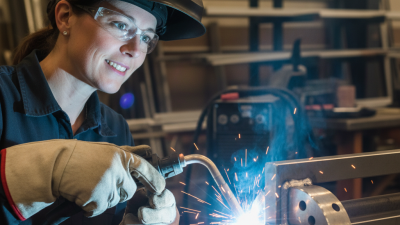
Safety gear is non-negotiable. Invest in a welding helmet with a proper filter shade. Gloves are essential to protect your hands from both heat and sparks. Wear flame-resistant clothing to avoid burns.
Tips: Always clean the aluminium surface thoroughly before welding. Use a stainless-steel brush for this. This helps in achieving better weld quality. Practice is necessary; start with scrap pieces. Mistakes will happen, but they are learning opportunities. Perfecting your technique takes time and reflective practice. Use these moments to analyze what went wrong.
Safety Precautions and Best Practices in Aluminium Welding
When venturing into aluminium welding, safety should be your top priority. Proper protective gear is essential. Always wear gloves, a welding helmet, and protective clothing. These items shield you from sparks and intense light. Ensure your workspace is well-ventilated. Aluminium fumes can be harmful if inhaled.
Understanding the tools involved is crucial. Inspect your welding equipment regularly. A malfunctioning welder can lead to accidents. Keep a fire extinguisher nearby, just in case. It's also wise to clear the area of any flammable materials. A cluttered workspace can pose serious risks.
Welding aluminium requires practice and focus. Beginners often rush, which can lead to mistakes. Take your time to learn basic techniques. Experiment with different settings on your welding machine. Reflecting on each session helps identify areas for improvement. Learning from errors is part of the journey.
2026 How to Master Aluminium Welding Techniques for Beginners? - Safety Precautions and Best Practices in Aluminium Welding
| Technique |
Safety Precautions |
Best Practices |
| MIG Welding |
Wear welding gloves, face shield, and a protective jacket. |
Ensure good grounding and maintain a clean workspace. |
| TIG Welding |
Use proper ventilation and protective gear. |
Practice control of filler rod and heat input. |
| Stick Welding |
Avoid flammable materials near the workspace. |
Choose the right electrode for aluminium. |
| Laser Welding |
Ensure that there are no reflective surfaces nearby. |
Maintain precise alignment of components. |
| Plasma Welding |
Use a welding mask and gloves to protect from arc flash. |
Control the speed and distance to achieve better welds. |
Step-by-Step Guide to Common Aluminium Welding Techniques
Welding aluminum requires specific techniques. Beginners can start with MIG and TIG welding. MIG, or Metal Inert Gas, is popular for its speed. It’s suitable for thicker aluminum pieces. On the other hand, TIG, or Tungsten Inert Gas, offers precision. It’s ideal for thin materials. According to a recent industry report, around 40% of welding jobs involve aluminum. This highlights the need for mastering this skill.
When learning aluminum welding, practice is essential. Start with clean pieces; contaminants can diminish results. Use proper filler metals and settings to avoid issues. Ensure your welding machine is equipped with the right components. For instance, use a spool gun for MIG welding aluminum. This can prevent feeding problems.
Tips: Always wear protective gear. This protects against sparks and harmful UV rays. Welding aluminum can be tricky due to its high thermal conductivity. Beginners often overheat the material. Monitor the heat input to achieve better control. Reflect on past mistakes to improve. Every welder faces challenges; learning from them is key.
Troubleshooting Common Issues in Aluminium Welding for Beginners
Aluminium welding can be challenging for beginners. Common issues often arise during the process. Understanding these problems can boost your skills significantly. According to the American Welding Society, over 30% of weld failures are attributed to insufficient training and technique.
One frequent challenge is managing heat. Aluminium has high thermal conductivity. This means it dissipates heat quickly. Beginners often struggle with overheating or underheating, leading to poor weld quality. A study by the International Institute of Welding showed that improper heat control can reduce weld strength by up to 50%.
Another common mistake is inadequate cleaning. Aluminium must be free from contaminants. Oxides and moisture can cause defects. The Welding Institute highlights that even trace impurities can lead to porosity in welds. Beginners should make cleaning a priority. Simple methods like using solvents can improve results. A few minutes spent cleaning can save hours of frustration later. Understanding these issues is essential for progress in aluminium welding.
Aluminium Welding Techniques Mastery: Common Issues and Solutions