10 Essential Tips for Laser Welding Aluminum Successfully
Laser welding aluminum has emerged as a critical technology in various industries, including automotive and aerospace. According to a recent industry report, the global laser welding market is projected to exceed $2 billion by 2025, indicating significant growth. Aluminum is favored for its lightweight properties, but welding it can be challenging.
The precision required in laser welding aluminum demands an understanding of several key factors. Factors like heat input, welding speed, and material thickness can drastically affect the quality of welds. Reports indicate that improper techniques can lead to defects such as porosity and cracks, which compromise weld strength.
Despite advancements, many practitioners still face hurdles. The complexity of controlling laser parameters often leaves room for error. Real-world experiences reveal that even seasoned welders can encounter issues. Reflecting on these challenges can provide valuable insights, enhancing the overall quality of laser welding aluminum.
Understanding the Basics of Laser Welding Aluminum
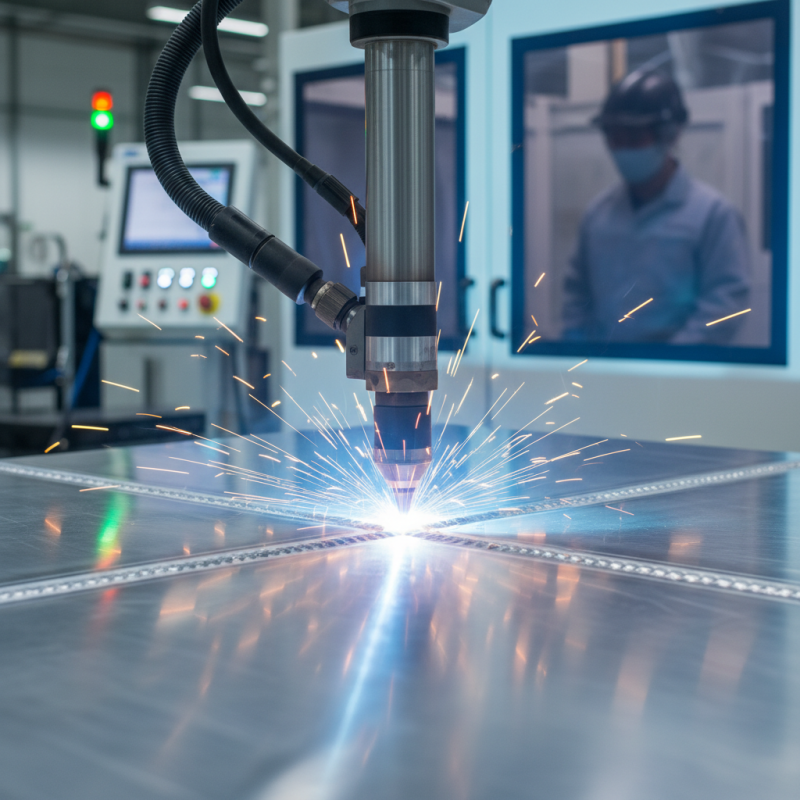
Laser welding aluminum is an intricate process requiring a solid understanding of its fundamentals. Aluminum tends to reflect laser light, making it challenging to achieve a strong bond. Choosing the right laser and settings plays a vital role. Many operators overlook the importance of optimizing parameters. A small adjustment in power or speed can drastically change the outcome.
The cleanliness of the aluminum surface is crucial. Any oil or oxide layer can hinder the weld quality. Operators often miss the need for thorough cleaning, which is essential for success. Also, heat input must be controlled carefully. Excessive heat can warp the aluminum, leading to distortion. Many welders fail to consider the cooling effect of the surrounding environment.
Filler material selection is another point that requires attention. Not all filler metals bond well with aluminum. Some might even weaken the weld. Experienced welders know the value of testing different materials. Experimentation can lead to unexpected discoveries but can also result in frustration. Learning from failures is part of the journey. Remember, understanding the essentials is just the beginning. Practical experience will shape your skills over time.
Key Equipment and Technology for Laser Welding Aluminum
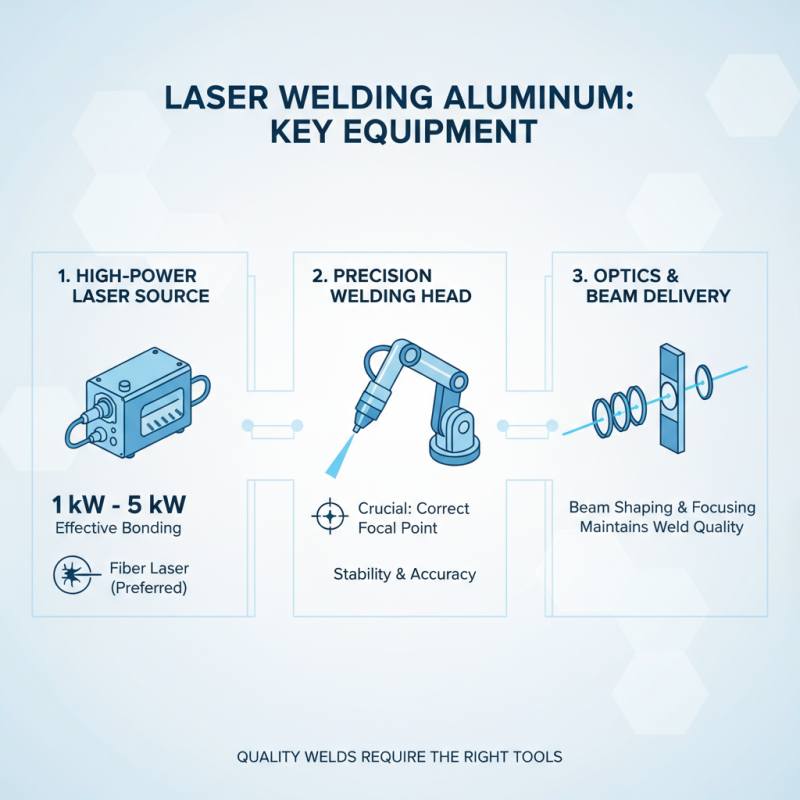
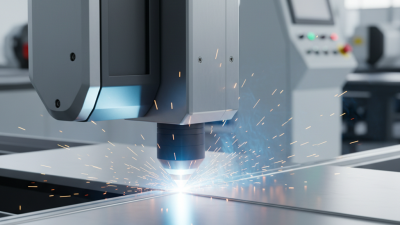
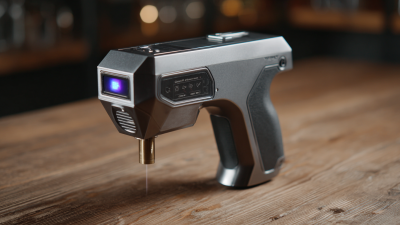
When it comes to laser welding aluminum, the right equipment is crucial. A high-power laser source, often in the range of 1 kW to 5 kW, is necessary for effective bonding. Fiber lasers are commonly preferred due to their efficiency and versatility. Equally important is the laser welding head. It should provide stability and precision. Maintaining the correct focal point can significantly affect the quality of the weld.
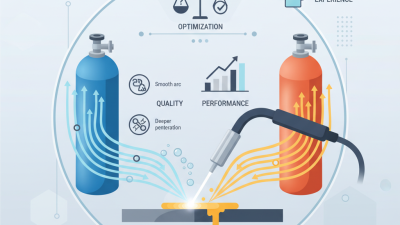
Another key component is the shielding gas. Typically, an inert gas like argon is used to protect the molten pool from contamination. Adjusting the flow rate of the gas can sometimes be tricky. If not done right, it can lead to defects in the weld. Moreover, having a good cooling system in place helps prevent warping. Laser ovens can also aid in this process, but their setup might require some patience.
Monitoring the parameters during the welding process can help improve outcomes. Keeping an eye on the speed and power settings allows for real-time adjustments. Some may overlook this aspect, but it directly impacts the quality of the final product. Striking a balance between speed and power is essential. Mistakes can lead to weak welds or extensive cleanup. Regular checks and adjustments are not just beneficial but necessary.
Preparing Aluminum Surfaces for Optimal Laser Welding
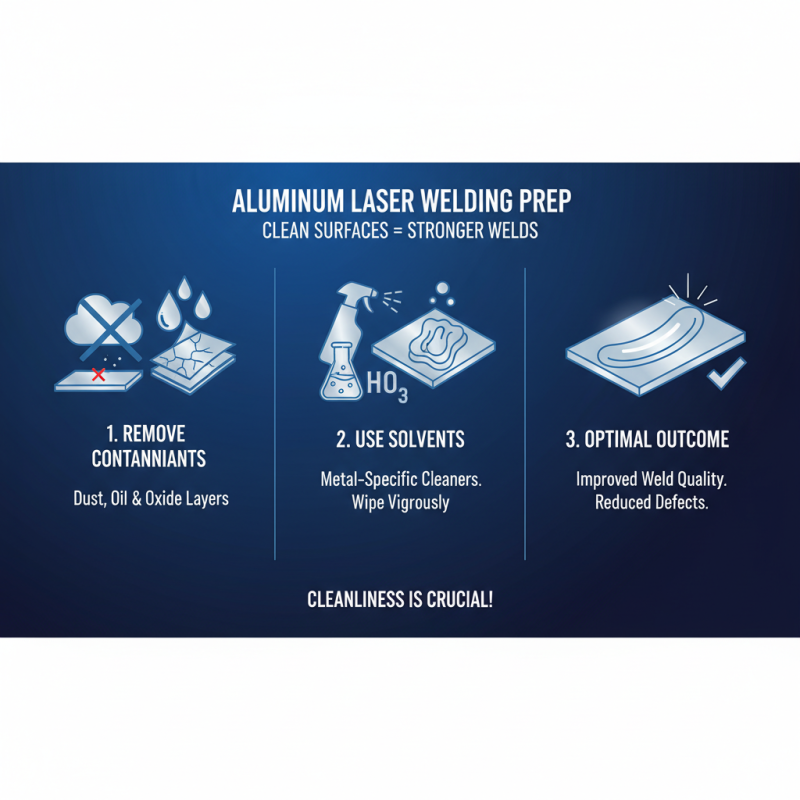
Preparing aluminum surfaces for optimal laser welding is crucial for a successful outcome. Cleanliness is key. Removing contaminants like dust, oil, and oxide layers ensures better weld quality. Even a small speck can lead to defects. Use solvents designed specifically for metal cleaning. Wipe down the surface vigorously to ensure thorough cleaning.
Surface texture matters too. A smooth finish promotes better laser penetration. However, some surface roughness can improve weld strength. It’s about finding the right balance. Consider using mechanical methods, such as sanding or grinding, to achieve desired surface conditions. Do keep in mind that uneven surfaces pose challenges. They can result in inconsistent welds, which might create weak spots.
Another aspect to think about is alignment. Properly positioned components are easier to weld. If parts shift during the process, it can become frustrating. This misalignment often leads to poor welds. Invest time in fixtures that hold everything steady. Despite careful preparation, don’t forget evaluation. Assess welds after completion. Understand what worked and what didn't. Refining the process is often necessary for achieving the best results.
Techniques for Controlling Heat Input in Laser Welding
Controlling heat input is crucial in laser welding aluminum. Excessive heat can lead to distortion and poor mechanical properties. Research shows that heat-affected zones expand significantly when input increases. This can affect the overall integrity of the weld joint.
One effective method to manage heat is to decrease the laser power. Lower power settings may extend the welding time, but they can help maintain control over the heat input. A study from the Welding Institute indicates that a power reduction by just 20% can lead to a 15% decrease in thermal distortion. Additionally, manipulating travel speed can be beneficial. Slower speeds allow better heat dissipation, reducing the risk of overheating.
Another technique is adjusting the focal position of the laser. A higher focal point increases the diameter of the weld pool. This can give you more control over heat distribution. Conversely, positioning the focus lower can concentrate heat, which is useful in certain joint configurations. However, the right balance is often hard to achieve. Each material possesses its own unique tolerance to heat, so adjustments may not always yield the desired results. Being aware of these nuances can guide welders to make better decisions.
10 Essential Tips for Laser Welding Aluminum Successfully
| Tip Number |
Tip Description |
Heat Control Technique |
Benefits |
| 1 |
Choose the right laser type |
Fiber or CO2 laser |
Improved precision |
| 2 |
Optimize focal point |
Adjust focus to material thickness |
Enhanced absorption |
| 3 |
Control travel speed |
Adjust feed rate |
Prevention of overheating |
| 4 |
Use shielding gas |
Argon or nitrogen |
Reduced oxidation |
| 5 |
Select appropriate power settings |
Set optimal wattage |
Efficient material use |
| 6 |
Manage workpiece temperature |
Preheating if necessary |
Better joint quality |
| 7 |
Post-weld treatment |
Cooling and cleaning processes |
Improved strength |
| 8 |
Use appropriate filler materials |
Select compatible alloys |
Stronger welds |
| 9 |
Maintain laser equipment |
Regular cleaning and calibration |
Consistent performance |
| 10 |
Monitor weld quality |
Use inspection methods |
Identify issues early |
Common Challenges and Solutions in Aluminum Laser Welding
Laser welding aluminum presents unique challenges. The reflective nature of aluminum can lead to issues with beam penetration and stability. It's crucial to address these problems early on.
One common challenge is poor weld quality. It often results from improper laser settings. Adjusting parameters like power and speed can improve penetration. Using the correct filler material also plays a role. Sometimes, the filler doesn't match the base metal, causing weak joints.
For optimal results, consider these tips:
- Use a focused laser beam for better control.
- Keep the workpiece clean to prevent contamination.
- Ensure proper joint design for effective welding.
Remember that
practice is key. Sometimes, the best lessons come from failed attempts. Analyze what went wrong and adjust accordingly.