2026 How to Use a Pulse Arc Welder Effectively?
The pulse arc welder is transforming industries. According to a recent report by MarketsandMarkets, the welding equipment market is expected to reach $25 billion by 2026. This growth is fueled by advancements in technology, including pulse arc welding. This method delivers precise control over heat and energy, making it suitable for various applications.
Using a pulse arc welder effectively requires understanding its nuances. According to AWS (American Welding Society), improper settings can lead to defects and inconsistencies. Therefore, operators must be well-versed in adjusting parameters like voltage and pulse frequency. Real-world applications demonstrate the potential of this technology; however, challenges persist. For instance, achieving a stable arc can be tricky for beginners.
As industries adopt pulse arc welding, the learning curve remains significant. Mastering this technique means ongoing practice and a willingness to adapt. Some users report frustration with initial trials. This experience emphasizes the importance of training and experimentation. Ultimately, successful use of a pulse arc welder hinges on attention to detail and a proactive approach to problem-solving.

Understanding the Basics of Pulse Arc Welding Technology
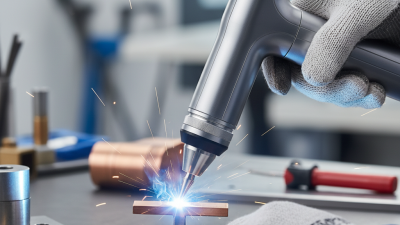
Pulse arc welding is an innovative technique that enhances precision and control during welding tasks. It uses a series of rapid pulses to create a stronger and cleaner weld. This approach can be beneficial for thin materials or intricate designs, where traditional methods may fall short. Understanding the basics of this technology is vital for effective use.
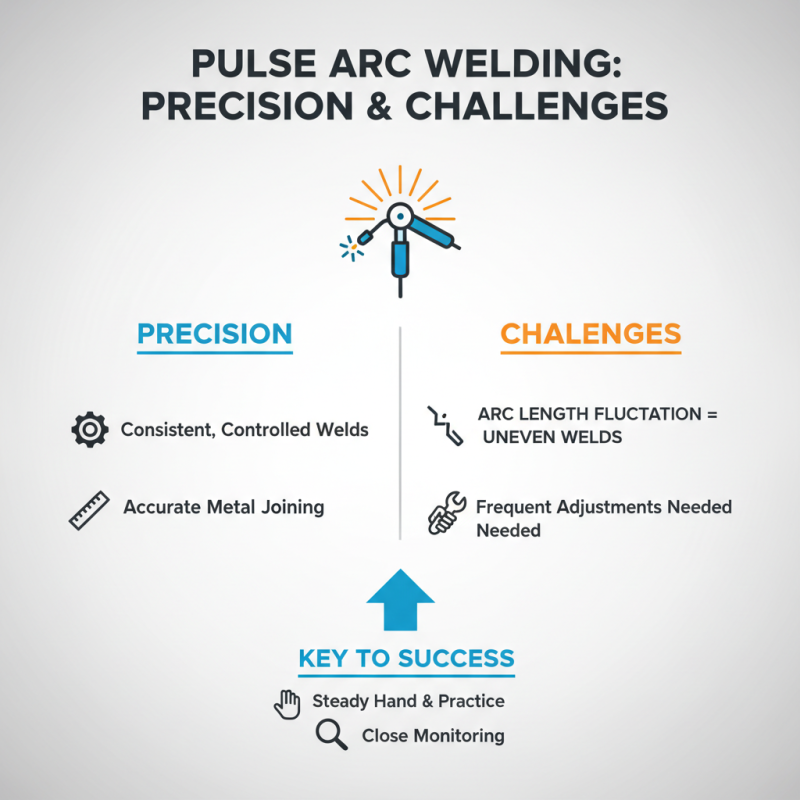
When using a pulse arc welder, consider your settings carefully. Adjust the pulse width and frequency based on the material type and thickness. A narrower pulse width may work better for delicate work, while a wider pulse can provide deeper penetration. Always start with test welds to determine the optimal settings.
Tips: Always wear proper safety gear. This protects you from sparks and UV radiation. Ensure your workspace is clean from debris. A cluttered area can lead to accidents. Lastly, practice patience. Achieving the perfect weld takes time and experience. Don’t rush; mistakes can happen.
Key Features and Benefits of Pulse Arc Welders in Various Industries
Pulse arc welders are increasingly popular across various industries due to their unique features and benefits. These machines offer precise control that ensures a cleaner weld. According to a report by the International Institute of Welding, using pulse arc welding reduces heat input, minimizing distortion and lead times.
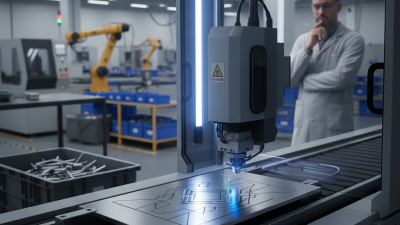
In the automotive industry, for instance, pulse arc welders help in achieving high-strength joints with minimal thermal stress. The precise arc control allows for the welding of thin materials without melting through them. Industry data indicate that using these welders can provide a 30% reduction in repair costs over traditional methods.
The aerospace sector also benefits significantly. Pulse arc welders produce welds that require less post-weld treatment. This efficiency can lead to a reduction in overall project timelines by up to 25%. However, user experience varies. Some operators report a learning curve when adjusting parameters for different materials. Trial and error is often necessary to master the process.
Techniques for Mastering Pulse Arc Welding: Settings and Adjustments
Pulse arc welding is a technique gaining traction in various industries. It's essential to master the settings and adjustments for optimal results. Proper amperage settings are crucial. Reports suggest that adjusting the average current by 20-30% can dramatically improve bead quality. Too low of an amperage leads to poor penetration, while too high can cause excessive spatter.
Tuning the pulse frequency is another key factor. Industry data indicates that a frequency of 2-5 Hz works well for thin materials, while thicker sections may require 0.5 Hz. It's also vital to watch the travel speed. Ideally, the welder should maintain a steady rate. Uneven speed can lead to inconsistent welds.
Some welders overlook the importance of shielding gas flow. Inadequate gas coverage can result in contamination. Aim for a flow rate of around 20-25 cubic feet per hour. Real-time adjustments during welding can make a significant difference. However, many struggle with making quick decisions on the fly. Practice helps in developing this skill. Remember, each weld is unique and demands continuous learning.
Safety Precautions and Best Practices for Using Pulse Arc Welders
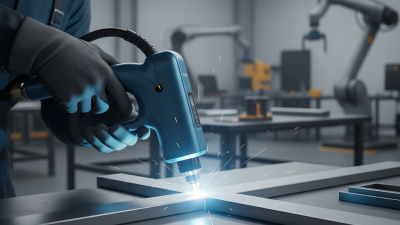
When using a pulse arc welder, safety should always come first. Wear appropriate personal protective equipment (PPE) such as gloves, goggles, and a welding helmet. This will protect you from sparks and UV radiation. Make sure your workspace is well-ventilated. Fumes from welding can be harmful. Avoid working in confined spaces where gases may accumulate.
Tips for effective welding: Always check the ground connection. A poor ground can lead to incomplete welds. Keep your materials clean and free of oil or paint. This ensures better adhesion. Pay attention to your posture. An awkward position can lead to loss of control and mistakes.
Remember to take breaks. Fatigue can cause errors. Review your work after each session. Look for inconsistencies in the weld bead. Learning from each weld makes you a better welder. Mistakes are part of the process, but they should guide your improvement. Always reflect on what went well and what needs adjusting. This cycle of practice and reflection is crucial for mastering pulse arc welding.
2026 How to Use a Pulse Arc Welder Effectively? - Safety Precautions and Best Practices for Using Pulse Arc Welders
| Aspect |
Details |
| Type of Welding |
Pulse Arc Welding |
| Materials Suitable for Welding |
Aluminum, Stainless Steel, Copper |
| Safety Gear Required |
Welding Helmet, Gloves, Fire-Resistant Clothing |
| Common Settings |
Current: 50-200 A, Voltage: 10-30 V |
| Cooling Method |
Water-Cooled Torch |
| Welding Position |
Flat, Horizontal, Vertical |
| Key Advantages |
Precision, Reduced Heat Input, Minimal Distortion |
| Best Practices |
Consistent Speed, Proper Material Preparation, Regular Equipment Maintenance |