How to Choose the Best Handheld Laser Welding Machine for Your Needs?
Choosing the right handheld laser welding machine is crucial for your projects. This decision impacts efficiency, quality, and overall success. Numerous options exist, making the selection process daunting.
When evaluating a handheld laser welding machine, consider your specific needs. Factors like power, portability, and ease of use are essential. A powerful machine can tackle thicker materials. However, some may find heavier machines cumbersome. Take time to reflect on your work environment.
Another aspect to ponder is the technical support available. Not all machines come with reliable assistance. An expert can help troubleshoot issues. Ultimately, investing in the right handheld laser welding machine requires careful thought. Balancing performance and comfort is key for optimal results.
Understanding Handheld Laser Welding Machines and Their Advantages
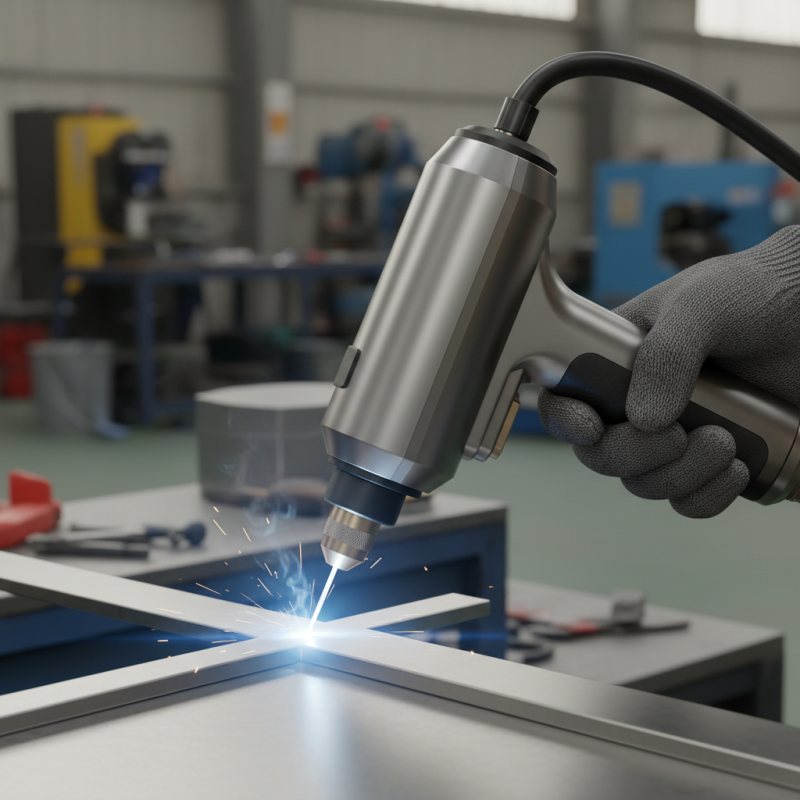
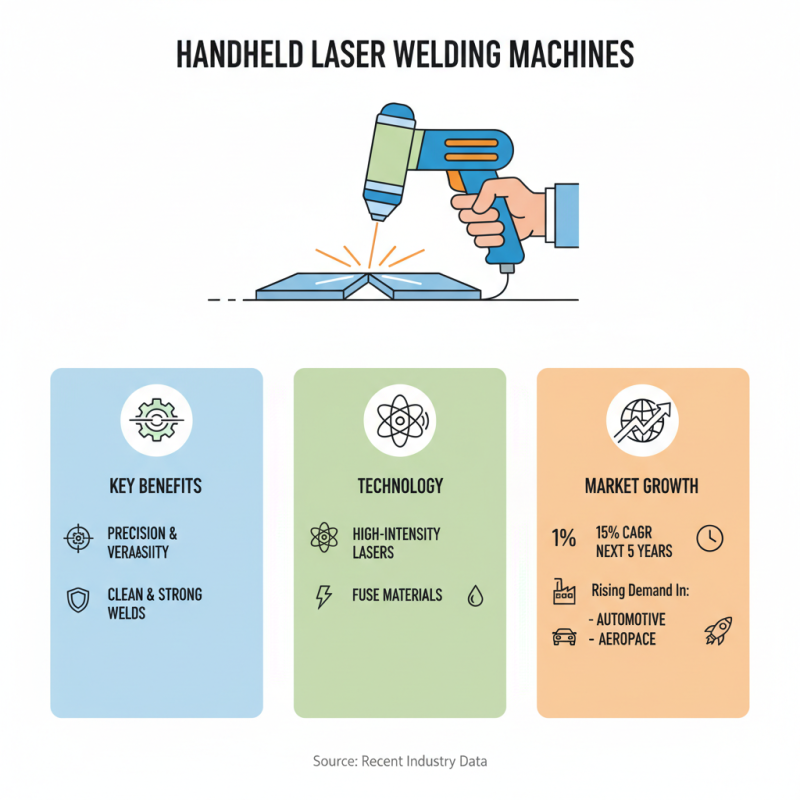
Handheld laser welding machines have gained popularity due to their precision and versatility. These machines use high-intensity lasers to fuse materials, providing a clean and strong weld. According to recent data, the global handheld laser welding market is expected to grow at a compound annual growth rate (CAGR) of 15% over the next five years. This growth indicates a rising demand across various industries, including automotive and aerospace.
One significant advantage of handheld laser welding machines is their portability. They can be used in various settings, making them ideal for on-site repairs. The setup time is minimal, which enhances productivity. However, while these machines are efficient, they require skilled operators. An inexperienced operator may struggle to achieve consistent quality. A study found that weld quality varies by as much as 20% based on operator skill.
Another noteworthy aspect is energy consumption. Handheld laser welders are more energy-efficient than traditional welding methods. Reports show that they can reduce energy use by up to 70%. However, the initial investment can be high. This cost may deter small businesses. Balancing long-term savings against upfront costs becomes crucial for decision-makers in this sector.
Key Factors to Consider When Choosing a Handheld Laser Welder
Choosing the right handheld laser welding machine involves careful consideration. Several key factors determine the best fit for your specific needs. The power output is crucial. Machines typically range from 100W to 1000W. For thin materials, a lower wattage may suffice. However, thicker components may require higher power to ensure effective welding.
Diameter of the laser beam also plays a significant role. A smaller diameter allows for greater precision. According to industry reports, a beam width of 0.1mm can increase weld strength significantly. Users should also evaluate cooling systems. Effective cooling can prolong the machine’s life. Those equipped with water-cooling systems often perform better in rigorous tasks.
Portability is another critical factor. Weight matters, especially for handheld models. Some machines may weigh over 10 kg. This can hinder mobility and ease of use. Battery life is equally important. Most models offer around 2-4 hours. In many scenarios, this might not be enough. Remember that your specific welding applications dictate the most suitable choices. Evaluate each factor carefully to make an informed decision.
Different Types of Handheld Laser Welding Technologies Explained
When exploring handheld laser welding technologies, it's essential to understand the different types available. Solid-state lasers are popular for their efficiency and compact design. They often produce high-quality welds, making them suitable for thin materials. Reports indicate that the average output power ranges from 100 to 500 watts, which can significantly impact performance based on the materials being welded.
Fiber lasers have gained traction for their versatility and effectiveness across various applications. They offer a high degree of precision and a longer operational lifespan. In recent studies, fiber lasers showcased an impressive reduction in energy consumption by up to 30% compared to traditional methods. However, they can require meticulous setup and calibration, leading to potential time losses during initial use.
Another noteworthy technology is CO2 lasers. These lasers are effective for welding thicker materials but can be less precise. Some industry data suggest that they can achieve weld speeds of up to 10 meters per minute, but this involves careful control to avoid burn-through. It's crucial to evaluate the specific requirements of each project, as selecting the right technology can influence efficiency and cost-effectiveness. Understanding these nuances can help in making an informed choice while acknowledging the challenges presented by each type.
How to Choose the Best Handheld Laser Welding Machine for Your Needs?
| Type of Laser Welding Technology |
Ideal Applications |
Welding Speed (m/min) |
Material Compatibility |
Average Price Range ($) |
| Fiber Laser Welding |
Metal fabrication, automotive parts |
5 - 10 |
Stainless steel, aluminum, copper |
5,000 - 20,000 |
| CO2 Laser Welding |
Plastic welding, thin metal sheets |
3 - 8 |
Plastics, wood, some metals |
4,000 - 15,000 |
| YAG Laser Welding |
Medical devices, jewelry making |
2 - 6 |
Metal alloys, ceramics |
3,000 - 12,000 |
| Diode Laser Welding |
Electronics, automotive sensors |
1 - 5 |
Thin metals, plastics |
2,000 - 8,000 |
Identifying the Right Specifications for Your Welding Projects
When choosing a handheld laser welding machine, understanding specifications is crucial. Different projects require different features. First, consider the power output. More power means deeper penetration. However, too much power can cause damage to thin materials. You need a balance between strength and finesse.
Next, look at the machine's pulse settings. Some projects may need quick bursts of energy, while others require steady, continuous power. Adjustability is key. A machine with fixed settings might limit your creativity. Versatility in settings can enhance your welding capabilities.
Another important aspect is the cooling system. A robust cooling mechanism prevents overheating during prolonged use. Machines that lack efficient cooling can lead to inconsistent results. Pay attention to the weight and portability as well. A heavier machine may be more powerful, but it can also be cumbersome. Keep in mind that heavy equipment may not be ideal for all tasks. It’s also worth noting that user comfort can greatly impact effectiveness. Test different models if possible. Make sure to reflect on the specific needs of your projects before making a final decision.
Evaluating Budget and ROI for Handheld Laser Welding Machines
When selecting a handheld laser welding machine, budget and return on investment (ROI) are crucial factors. A well-planned budget allows you to invest wisely. Determine the price range that suits your financial capability. Look for machines that offer essential features without excessive costs. High initial expenses can lead to frustration if they don't meet your production goals.
Consider the long-term benefits. A higher-priced machine might save you money in the long run. It could offer reliability, speed, and efficiency. Assess how often you'll need to replace components. If a cheaper option requires frequent repairs, the apparent savings disappear.
Tips: Research the average lifespan of various models. Investigate the reliability of their components. Also, consider the potential downtime caused by malfunctioning equipment. This downtime can erode profit margins over time. Collect feedback from users to gauge real-world performance. Sharing experiences can reveal hidden costs related to maintenance and repairs.