Why Choose Laser Beam Welding for Your Manufacturing Needs?
In today’s competitive manufacturing landscape, "laser beam welding" stands out as a preferred method. This technique offers precision and efficiency, significantly enhancing production quality. According to Dr. Lisa Thompson, a leading expert in welding technology, “Laser beam welding can revolutionize the way industries approach metal joining.”
Laser beam welding excels in various applications, from automotive to aerospace. Its ability to create strong, clean welds is unmatched. This method minimizes heat input, reducing warping and maintaining material integrity. Notably, it allows for complex joint designs that traditional methods may struggle to achieve. However, the initial setup can be costly, requiring investment in advanced equipment and trained personnel.
Manufacturers must weigh the benefits against these challenges. While laser beam welding is efficient, it demands a certain level of expertise and ongoing maintenance. Understanding these aspects is crucial for making an informed decision. Adopting laser technology can lead to long-term advantages, but only if approached thoughtfully.
Advantages of Laser Beam Welding Over Traditional Methods
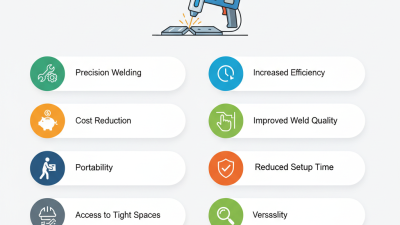
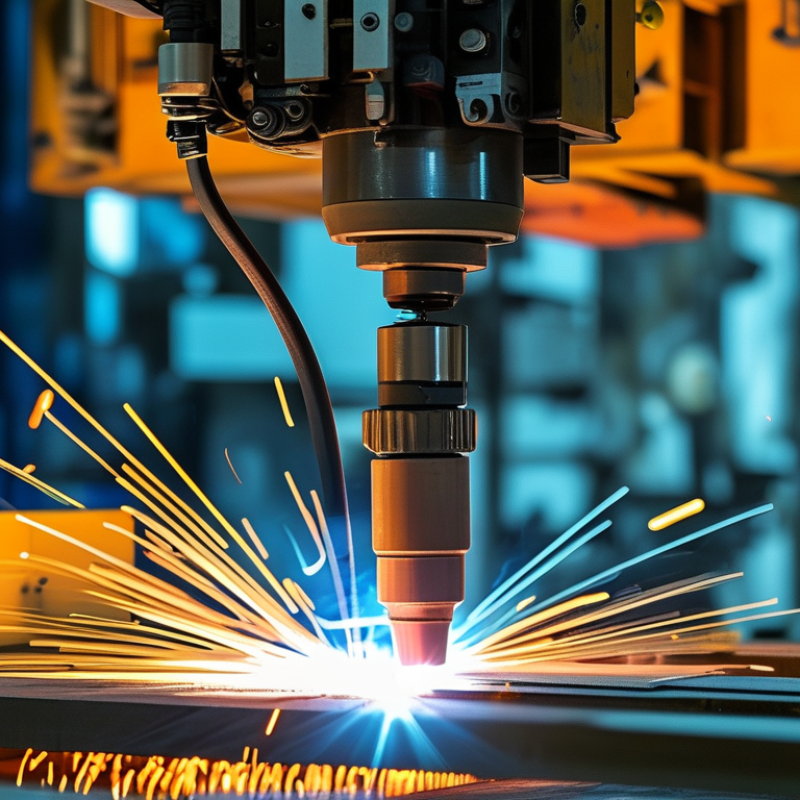
Laser beam welding (LBW) offers numerous advantages over traditional welding methods. One significant benefit is precision. LBW produces narrow welds with minimal heat input, reducing distortion and improving joint integrity. According to a recent industry report, LBW can achieve a tolerance level of ±0.02 mm, which traditional welding processes often struggle to match.
Furthermore, laser beam welding is highly efficient. Studies indicate that LBW can increase production speeds by up to 50% compared to conventional techniques. This efficiency stems from the ability to weld complex geometries and multiple layers without excessive preparation. For manufacturers focusing on high-volume production, this translates to lower operational costs and fewer resource expenditures.
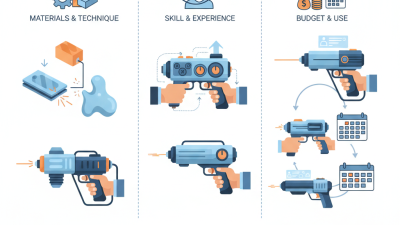
However, LBW is not without its challenges. The initial investment in laser equipment can be substantial. Additionally, skilled operators are required to maintain laser systems effectively. This reliance on expertise may deter some manufacturers, but the long-term benefits often outweigh these concerns. As industries evolve, embracing laser technology may become essential for maintaining a competitive edge.
Applications of Laser Beam Welding in Various Industries
Laser beam welding has gained momentum across several industries due to its precision and efficiency. In the automotive sector, manufacturers utilize this technology for assembling components with reduced heat input. This minimizes distortion, maintaining the integrity of critical parts. Small, complex components can be welded together seamlessly, enhancing performance.
In the aerospace industry, laser beam welding is indispensable. It facilitates the joining of lightweight materials crucial for aircraft construction. The process offers high-quality welds while ensuring the components remain lightweight. Challenges do persist, such as the need for skilled technicians to manage these high-tech systems effectively.
The medical field also benefits immensely. Here, precision is paramount. Laser welding is ideal for fabricating intricate devices like surgical instruments. However, the equipment demands regular maintenance. This introduces potential downtime that manufacturers must mitigate. The adoption of this welding method requires careful consideration of both costs and training.
Why Choose Laser Beam Welding for Your Manufacturing Needs? - Applications of Laser Beam Welding in Various Industries
| Industry |
Application |
Benefits |
Typical Materials |
| Automotive |
Joining of body panels |
High speed, precision |
Steel, aluminum |
| Aerospace |
Fuselage assembly |
Low heat input, minimal warping |
Titanium, composite materials |
| Electronics |
Circuit board joining |
Fine detail, high precision |
Copper, gold |
| Medical devices |
Assembling surgical instruments |
Sterile, minimal heat effect |
Stainless steel, titanium |
| Construction |
Cable tray welding |
Fast, strong joints |
Mild steel |
How Laser Beam Welding Enhances Production Efficiency and Quality
Laser beam welding (LBW) has emerged as a game changer in modern manufacturing. This technique offers precision and speed unmatched by traditional welding methods. According to a report by the International Journal of Advanced Manufacturing Technology, LBW can achieve weld speeds of up to 10 meters per minute. This rapid processing time significantly enhances production efficiency. The ability to focus a high-intensity laser beam allows manufacturers to minimize processing time and labor costs.
Quality is another critical advantage of laser beam welding. The heat-affected zone is smaller than in conventional methods, leading to less distortion and better structural integrity. The American Welding Society notes that LBW typically produces stronger and more durable welds. However, it’s essential to monitor the system closely. Technology imperfections can lead to inconsistent results. Flaws may arise without sufficient operator oversight or calibration.
Moreover, while LBW is highly effective, it requires specialized training. Not every machinist or welder possesses the necessary skills. This training gap can lead to mistakes if not addressed. Companies must invest in education and resources to maximize LBW's benefits fully. Balancing technology and human expertise is vital for achieving optimal results in laser beam welding.
Production Efficiency and Quality Comparison of Different Welding Methods
This chart illustrates the production efficiency and weld quality of various welding techniques, highlighting how Laser Beam Welding stands out in both efficiency and quality due to its precision and speed. As manufacturers look to enhance their production methods, these metrics are critical for decision-making.
Technical Considerations for Implementing Laser Beam Welding
Laser beam welding (LBW) is a technology gaining traction in various industries due to its precision and efficiency. When implementing LBW, technical considerations become paramount. One essential factor is the material being used. Different materials respond differently to laser energy. For instance, metals such as aluminum and steel may require varied settings to achieve optimal results. Understanding these differences is crucial for effective welds.
Another critical aspect is the focus of the laser beam. The beam needs precise focusing to ensure proper penetration and fusion. Misalignment can lead to poor quality welds, resulting in structural weaknesses. It's important to regularly calibrate the equipment and monitor the settings. Continuous training of the workforce on laser technology can enhance the overall quality and safety of operations.
Thermal management also plays a vital role in LBW. The heat generated by the laser can affect the surrounding materials, leading to warping or distortion. Implementing proper cooling methods and selecting the right welding speed are key. These choices can optimize weld quality but require careful evaluation and experimentation. Regular assessments of workflow and equipment can reveal areas for improvement, ensuring that manufacturing processes remain competitive and reliable.
Future Trends and Innovations in Laser Beam Welding Technology
Laser beam welding is rapidly evolving, leading the charge in modern manufacturing. One key trend is the integration of artificial intelligence. AI algorithms improve precision and efficiency. They can adapt welding parameters in real-time. This minimizes defects and maximizes output. Manufacturers are seeing substantial reductions in scrap rates.
Another significant innovation is the development of new laser sources. Fiber lasers are becoming more prevalent. They provide higher power with improved energy efficiency. This leads to faster processing times. The versatility of fiber lasers allows for welding in various materials. It's useful for both thin and thick components.
Despite these advancements, challenges remain. Training operators to use advanced equipment effectively can be complex. There is also a risk of over-reliance on technology. Human oversight is crucial in maintaining high-quality standards. As these technologies continue to develop, the balance between innovation and practical application needs attention.