10 Best MIG Welding Techniques for Beginners to Master?

MIG welding has become a popular choice for beginners. It’s known for its ease of use and versatility. According to industry reports, MIG welding accounts for over 50% of the welding market. This means many new welders are drawn to this method.

Mastering MIG welding techniques is essential for quality results. Effective techniques can significantly enhance precision and speed. Moreover, safety should never be ignored. A report from the American Welding Society states that improper techniques lead to a 20% increase in workplace accidents. Understanding proper techniques can mitigate these risks.

Many beginners struggle with common issues. These include inconsistent welds and poor penetration. Addressing these challenges requires practice and reflection. By focusing on key techniques, you can see improvement. MIG welding is more than just a skill; it’s an art that can be perfected over time.
10 Best MIG Welding Techniques for Beginners to Master?

Essential Safety Precautions Before Starting MIG Welding
10 Best MIG Welding Techniques for Beginners to Master?

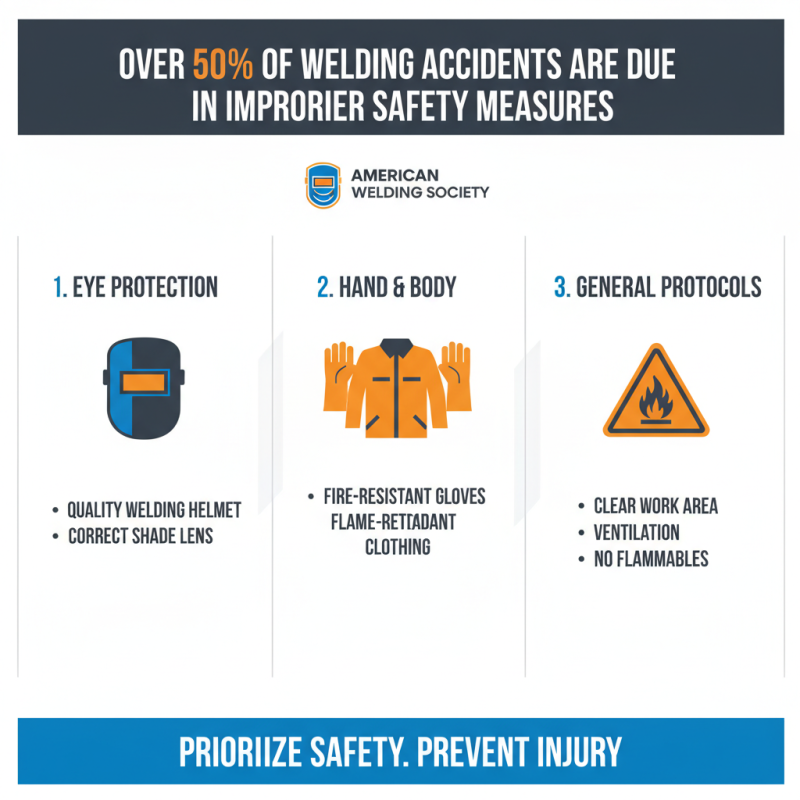
Before diving into MIG welding, safety should always be a priority. According to the American Welding Society, over 50% of welding accidents happen due to improper safety measures. This statistic highlights the importance of following strict safety protocols. Wearing proper protective gear is vital. A quality welding helmet with the right shade can prevent serious eye injuries. Fire-resistant gloves and clothing also protect the skin from harmful sparks and heat.

Adequate ventilation in your workspace is essential. Breathing in metal fumes can lead to serious health issues. Reports indicate that long-term exposure could increase the risk of respiratory diseases. Moreover, it’s crucial to keep your work area free from flammable materials. Keeping a fire extinguisher nearby is a good practice. Doing so can prevent devastating accidents. Understanding these safety basics lays the groundwork for more advanced welding techniques. Remember, neglecting safety can lead to mistakes that might set back your progress in MIG welding. Always reflect on your practices; there's always room for improvement.
Understanding MIG Welding Equipment: A Beginner's Guide

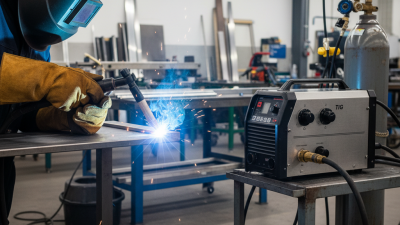
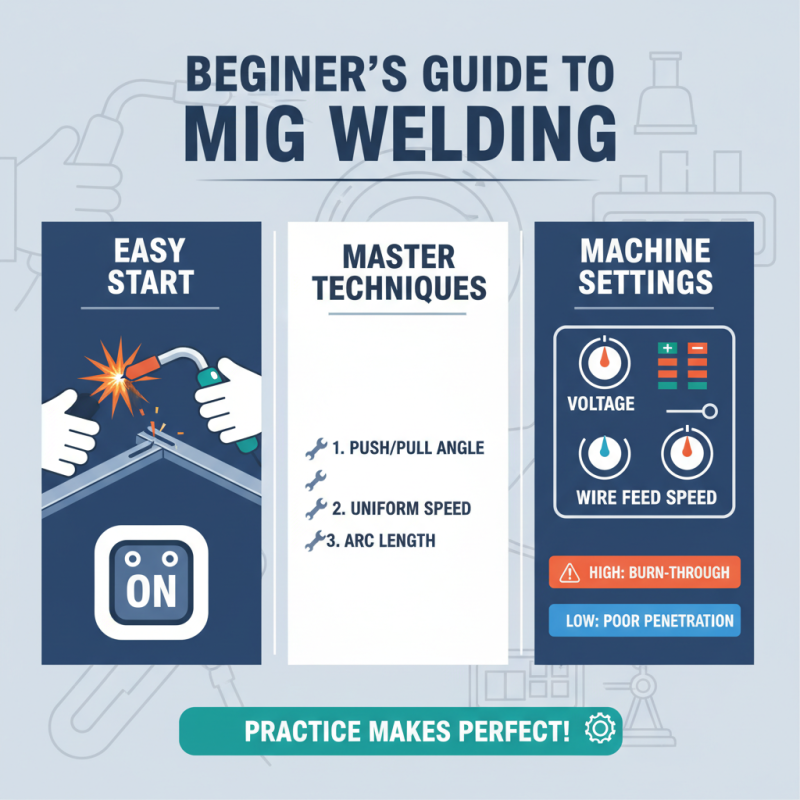
MIG welding is a fantastic technique for beginners. Understanding the equipment is the first step. A MIG welder consists of a wire feed system, a gas supply, and a power source. The wire feed moves the electrode wire automatically. This allows for a smooth and continuous weld. The shielding gas protects the weld pool from contamination. It's essential to choose the right gas mixture for the task at hand.

Safety gear plays a vital role, too. A good welding helmet will shield your eyes from bright arcs. Gloves protect your hands from heat and sparks. Remember, practice is key. Setting up your workspace can significantly influence your results. Ensure you have proper ventilation. Many beginners overlook this and face breathing issues later.

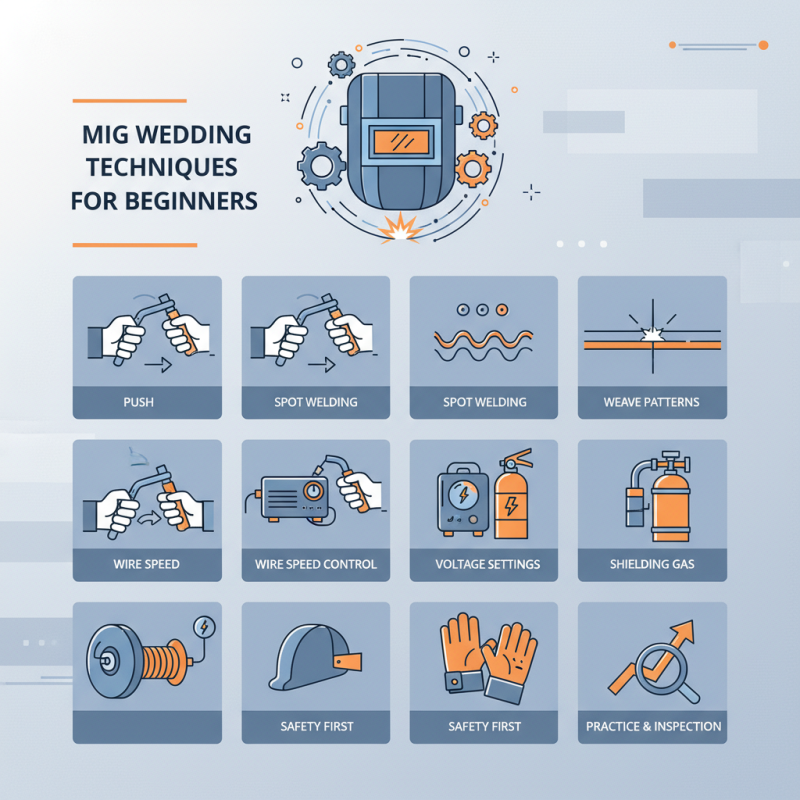
Reflecting on your technique is crucial. If your welds are inconsistent, check your settings. Wire speed and voltage adjustments can make a significant difference. Experimentation will teach you a lot. Don’t be afraid to make mistakes; they are part of the learning process. Each imperfect weld offers insights into improving your skills.

10 Best MIG Welding Techniques for Beginners to Master

Technique Description Application
Stringer Bead Welding A straight line technique for welds with minimal distortion. Ideal for thin materials.
Weaving Technique Creates a wider weld bead by moving the torch side to side. Best for thicker materials.
Push vs. Pull Technique Push involves moving the torch away from the weld, pull brings it toward. Depends on desired penetration and bead profile.
Tack Welding Quickly joins two pieces to hold them in place. Useful before performing the final weld.
Vertical Up Welding Used for joining pieces in a vertical position. Common in construction and repair work.
Miter Joint Technique Used for joining two pieces at angles. Common for frames and structures.
Overlap Technique Involves overlapping two materials for a secure weld. Useful for various joint designs.
Filler Wire Use Involves adding filler material for strength and binding. Essential for thicker base metals.
Heat Management Controlling the heat input for better results. Prevents warping and burn-through.
Safety Practices Ensuring proper gear and environment to avoid hazards. Critical for all welding tasks.

Step-by-Step Techniques for Welding Properly with a MIG Welder

10 Best MIG Welding Techniques for Beginners to Master?

MIG welding offers an accessible entry point for many beginners. Mastering a few techniques can greatly enhance your skills. Pay attention to the right settings on your machine. Understanding voltage and wire feed speed is crucial. Too high a setting might lead to burn-through, while too low can cause poor penetration.

Creating a suitable work environment is essential. Ensure proper ventilation to avoid harmful fumes. Lighting should be sufficient to see your weld pools. Always wear protective gear to safeguard against sparks and UV rays. A common mistake is neglecting safety, which can lead to injuries.

Tip: Practice on scrap materials before moving to your main project. This helps to refine your technique. Focus on maintaining a steady hand. Keep your torch at the correct angle. A good angle improves weld quality and consistency.

Welding is a skill that improves over time. Do not be discouraged by initial mistakes. Review your work critically. Each error is a learning opportunity. By continuously refining your technique, you’ll advance more quickly in MIG welding.

Common Mistakes to Avoid When Learning MIG Welding

When learning MIG welding, it’s easy to make some common mistakes that can hinder your progress. One frequent error is not adjusting the wire feed speed properly. Too fast or too slow can ruin your welds. Striking an arc without cleaning the metal surface well can also lead to poor adhesion. Dirt and rust create weak points that compromise strength.

Another mistake is neglecting personal safety gear. Ignoring gloves or a helmet can lead to serious injuries. Welders often face issues like burns or exposure to harmful gases. This is a crucial aspect that beginners sometimes overlook.

Tips: Remember to practice on scrap metal. This helps refine your technique without the pressure of a project. Take breaks to focus on your posture and machine settings. Small adjustments can yield significant improvements. Lastly, consistently check your work. Reflection is key to mastering MIG welding.

Tips for Improving Your Welding Skills with Practice and Patience

Welding can be a frustrating yet rewarding skill to master. Patience is key. Beginners often struggle with control and technique. It's normal to make mistakes. Each error offers a chance to learn. Analyze what went wrong and make adjustments accordingly. Slow down your movements and focus on your point of contact.

Practice is essential for improvement. Set aside regular time to weld. Repetition builds muscle memory. Don't rush through tasks; instead, pay attention to your hand positioning. You might find your welds improving just by concentrating on even the smallest details. Document your progress. Take notes on what techniques worked best. Learning from your journey helps cement skills.

Remember, welding is an art as much as a science. Embrace imperfections. Each bead tells a story of your growth. Take pride in the small wins. Join a community, share tips, and get feedback. The more you engage with others, the better you will become. The road to mastery is long, but with practice and reflection, you will see results.