How to Choose the Best Laser Marking Systems for Your Needs?
In today's manufacturing landscape, the efficiency of production often hinges on precision and accuracy. Laser marking systems have become a crucial tool in achieving these goals. According to a recent industry report by MarketsandMarkets, the global laser marking market is expected to reach $5.4 billion by 2025, highlighting its growing importance. The right laser marking system can enhance product traceability and branding while reducing operational costs.
Choosing the best system involves assessing specific needs, such as material types and production volumes. Factors like laser type, power, and software compatibility should not be overlooked. Companies that invest in the latest technology report increased productivity and reduced waste. However, it's essential to recognize that the right choice may vary significantly across different sectors.
While there is abundant information available, selecting the optimal system can be complex. Not all systems suit every application perfectly. Users must weigh their unique requirements against the capabilities of various laser marking technologies. Addressing these challenges requires a clear understanding of how specific features align with operational goals.
Understanding Laser Marking Systems: Types and Technologies
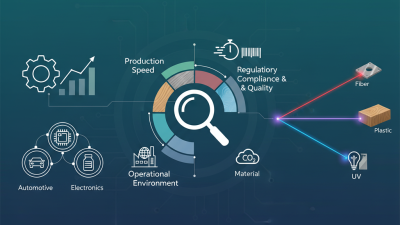
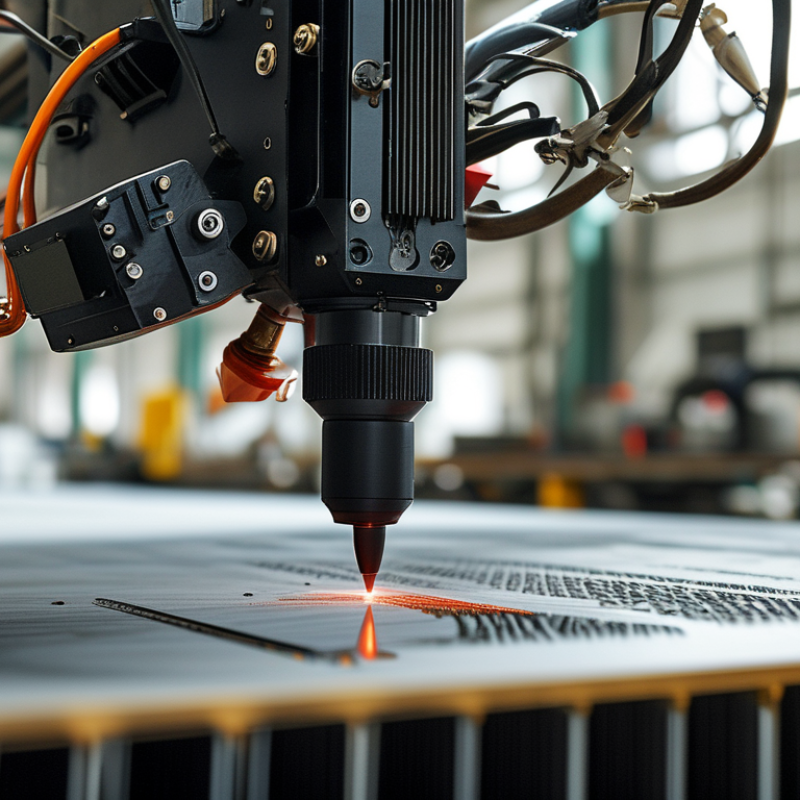
Laser marking systems have become essential in various industries. Understanding the different types and technologies is crucial for making the right choice. There are primarily three types of laser marking systems: fiber lasers, CO2 lasers, and Nd:YAG lasers. Each type serves different purposes and materials. For example, fiber lasers are often preferred for metal marking, while CO2 lasers are effective for non-metal materials like wood and plastics.
The technology behind these systems varies significantly. Fiber lasers use a solid-state construction that offers durability and efficiency. CO2 lasers work through gas excitation, producing high-quality marks on organic materials. Nd:YAG lasers utilize crystals to generate a powerful beam, which is suitable for both metal and certain plastics. Evaluating these technologies requires considering factors such as speed, depth, and precision of the marks required.
However, the choice is not always straightforward. Every application has unique needs, and what works for one project might not suit another. It’s important to assess the specific requirements of your materials and production goals. It may take some trial and error to find the optimal system for your needs. This process can be time-consuming and costly, but the right equipment ultimately pays off in efficiency and quality.
Laser Marking Systems: Comparison of Different Technologies
Key Factors to Consider When Selecting a Laser Marking System
When choosing a laser marking system, key factors play a crucial role in ensuring you select the best fit for your requirements. One essential factor is the material you intend to mark. Different lasers work better with various materials. For example, CO2 lasers are ideal for non-metal materials like wood and plastics, while fiber lasers excel with metals. Industry reports indicate that the market for fiber lasers has expanded significantly, reflecting a 20% annual growth rate due to their versatility and efficiency.
Another vital consideration is the marking speed and precision. Many systems can operate at speeds exceeding 5,000 mm per second, which greatly enhances productivity. However, high speed should not compromise quality. Parameters like focusing lens and beam quality are crucial for achieving fine details. A recent study showed that 30% of manufacturers faced issues due to inadequate precision, leading to greater costs in rework.
Moreover, the ease of integration into existing workflows cannot be overlooked. Systems that offer user-friendly software and compatibility with common industrial setups typically reduce downtime. However, companies often face challenges when upgrading or integrating new systems. Regular maintenance and operator training are essential to avoid these pitfalls. As companies push towards automation, ensuring that your laser marking system aligns with future technological trends can provide a competitive edge in the long run.
Evaluating Application Requirements for Laser Marking
When evaluating application requirements for laser marking systems, begin by identifying your specific needs.
Consider the materials you will be marking. Different lasers work better on metals, plastics, or ceramics.
For example, fiber lasers excel at marking metals, while CO2 lasers are preferred for organic materials.
The choice of material directly impacts the quality of the marking.
Next, assess the intended use of the markings.
Will they be permanent or temporary? Are they for aesthetic purposes or for essential identification?
Markings intended for part identification must adhere to industry standards.
The durability of the marking is critical in industrial applications.
Poor marking can lead to errors in tracking or inventory, which can be costly.
Also, reflect on the scale of your operations.
A small workshop may require a compact, less powerful system.
In contrast, a large production facility might need a high-speed, robust solution.
Each setup has its challenges and learning curves. Not all systems fit every need perfectly.
Understanding these variances can help you make a more informed decision.
Budget Considerations for Laser Marking Equipment Purchase
When considering the budget for laser marking equipment, it's vital to analyze both upfront and ongoing costs. Industry reports indicate that laser marking systems can range from a few thousand dollars to over $100,000, depending on technology and capabilities. A fiber laser, for instance, is known for its efficiency and lower operational costs. Investing in a reliable system can lead to significant savings over time, but initial expenses remain a challenge for many businesses.
Research suggests that 45% of companies underestimate the total cost of ownership when purchasing laser systems. They often overlook expenses like maintenance, consumables, and training. Failing to factor in these elements can lead to unexpected financial strain. It’s crucial to evaluate potential long-term expenses against the immediate price tag. Affordability can also vary based on the type of materials being processed and frequency of use, making it essential to calculate based on actual needs.
The rapid advancements in laser technology create a dynamic marketplace. Companies frequently adjust their budgets, often by reallocating funds from other areas. However, not all businesses are prepared for this shift. Avoiding hasty decisions and instead conducting thorough market research can help to ensure that the chosen system aligns with operational requirements and budget constraints.
How to Choose the Best Laser Marking Systems for Your Needs? - Budget Considerations for Laser Marking Equipment Purchase
| Feature |
Entry Level |
Mid-Range |
High-End |
| Price Range |
$5,000 - $15,000 |
$15,000 - $35,000 |
$35,000 - $100,000+ |
| Marking Speed (mm/sec) |
100 - 200 |
200 - 600 |
600 - 1200+ |
| Laser Types |
CO2 |
Fiber |
Both CO2 and Fiber |
| Materials Supported |
Plastic, Wood |
Metals, Glass, Plastics |
All types including Metals, Plastics, Ceramics |
| Maintenance Frequency |
Weekly |
Monthly |
Quarterly |
| Power Consumption (W) |
50 - 100 |
100 - 300 |
300 - 800+ |
Maintenance and Support Options for Laser Marking Systems
When selecting a laser marking system, maintenance and support are essential considerations. The longevity and efficiency of these systems heavily depend on regular upkeep. It's vital to choose a system that offers robust support. This means understanding the technical assistance available. Whether it's on-site help or remote troubleshooting options, ensure that you're covered when issues arise.
Regular maintenance can prevent unexpected downtime. Inspecting the laser's optics and keeping the system clean enhances its performance. Scheduling routine check-ups, even when everything appears fine, is a smart practice. This proactive approach can identify potential problems before they escalate.
Choosing a provider with solid customer support can make a huge difference. Availability of replacement parts is crucial. Knowing how quickly you can get a part when needed is comforting. Ask about their response times and warranty details. A responsive support team can help you navigate challenges effectively. Evaluate how they handle inquiries and repair requests during your decision-making process.