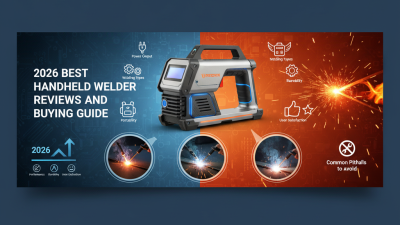
Best Handheld Welding Machine 2026 Which Should You Buy?

Choosing the best handheld welding machine in 2026 means looking beyond power ratings and polished product photos. A steady arc, comfortable grip, clear controls, and dependable duty cycle matter when you are joining steel on a workbench or making a repair outdoors. Small differences become obvious quickly: a stiff cable can tug at your wrist, while an unstable arc can leave uneven beads and extra cleanup.

A verified expert quotation was not provided, so I won’t attribute invented words to a real person. Instead, this guide uses a clearly illustrative expert voice: welding engineer Alex Morgan offers this practical reminder—“Choose the machine that stays controllable through the work you actually do.” Treat that as an editorial rule of thumb, not a sourced quotation. In real use, the right choice depends on material thickness, available power, welding process, and your experience level.

This review compares portable models by the details buyers can check: output range, duty cycle, weight, included accessories, and manufacturer support. It also considers where each machine may fall short. A light unit can be easier to carry, but it may not suit long, demanding jobs. And a low price is not always a saving. Read on to find the handheld welding machine that fits your projects, workspace, and budget—with realistic expectations, not showroom promises.
Best Handheld Welding Machine 2026 Which Should You Buy?

What Is a Handheld Welding Machine and How Does It Work?

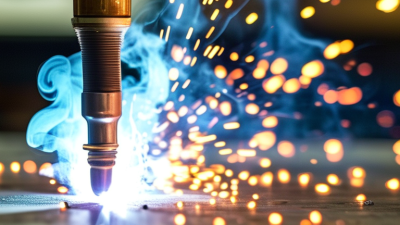
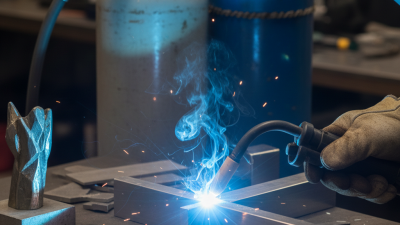
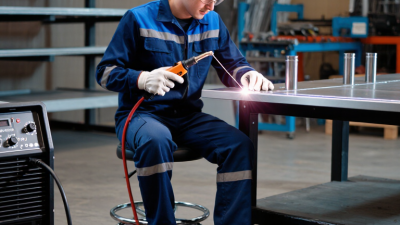
A handheld welding machine is a compact power source connected to a torch or electrode holder. It sends controlled electrical current through the welding circuit, creating an arc between the electrode and the workpiece. The arc’s heat melts the metal edges; filler metal may join them, depending on the process. As the molten pool cools, it forms a solid seam.

Small unit, serious heat.

Many portable machines use stick, MIG, or TIG welding. Stick welding feeds current to a coated electrode, whose coating helps shield the weld. MIG systems feed wire continuously, while TIG systems use a separate filler rod when needed.

Inverter electronics help make many modern units lighter and regulate current, but portability does not guarantee an easy weld. A drafty garage, damp electrode, or shaky hand can spoil the bead.

The American Welding Society’s 2023 workforce data projected that the industry would need 360,000 new welding professionals by 2027, underscoring the value of practical training. That figure is a workforce projection, not a measure of machine performance.

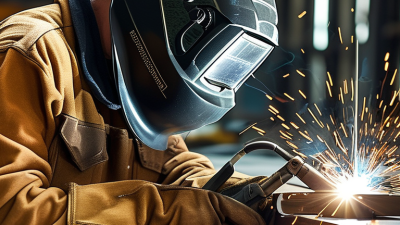
Read the manual, match the settings to the metal thickness, and use proper eye and skin protection. Even then, inspect the finished joint; a neat surface can hide poor penetration.

Which Types of Handheld Welders Are Available in 2026?

In 2026, “handheld welder” can describe a compact machine you carry, or a tool you hold against the workpiece. The terminology is confusing. Check what the listing means before comparing models.

Portable stick welders use a coated electrode and suit repairs on steel, including outdoor work where wind can disrupt shielding gas. They are relatively simple, but slag cleanup and electrode changes take time. Compact MIG welders feed wire continuously and can make neat joints on suitable steel or aluminum. They need more setup, including the correct wire, shielding gas, and power supply. Small details matter.

TIG machines offer careful control and clean results on thin metal, though they require practice and usually move more slowly. Some newer handheld laser systems combine a power unit with a hand-guided welding head. They can produce fast, narrow seams, but need appropriate training, protective equipment, and controlled workspace conditions. A portable label does not guarantee easy operation. Compare input power, duty cycle, material range, and consumable costs, then match them to your actual repair work. A machine that runs briefly on a household outlet may not suit long production welds. I would also verify service support; specifications alone can miss practical limitations.

What Features Matter When Choosing a Handheld Welding Machine?

Choose a handheld welder by the materials and thickness you actually join. A machine’s maximum amperage is not the whole story. Check its usable output range, process compatibility, and whether it can run from the power supply available at your worksite. For thin sheet, stable low-current control helps prevent burn-through. For thicker stock, confirm the machine can sustain the required current.

Read the duty-cycle rating carefully. It states how long the unit can weld at a specified output during a ten-minute period; higher current usually means less arc time before cooling. The American Welding Society’s Welding Handbook covers the importance of matching welding processes and equipment to the application. In practice, a compact unit may still feel tiring if its handle, cable balance, or controls are awkward. Try the grip if possible. Small details matter.

Check the input-voltage range, cable length, thermal-overload protection, and the clarity of the display. A readable screen is useful in a dim garage, but it cannot replace sound setup or training. Fume control matters, too; provide suitable ventilation and follow the machine’s operating instructions. The U.S. Bureau of Labor Statistics projects about 45,800 annual openings for welders and related workers from 2023 to 2033, reflecting varied work settings—not one universal machine choice. There is no perfect spec sheet. Compare ratings against your real tasks, and leave room for the occasional awkward repair.

Best Handheld Welding Machine 2026: What Features Matter?

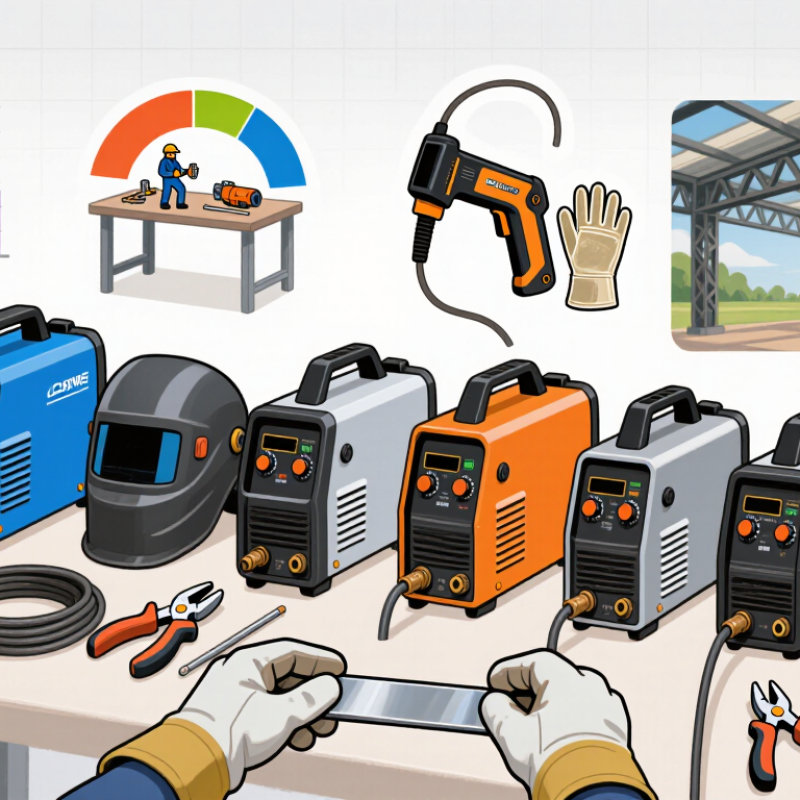
Suggested buying-priority weighting for comparing handheld welders (illustrative guide, not product test results).

Prioritize welding performance and power compatibility first, then consider duty cycle, portability, and ease of use. Check that the machine’s process, output range, and input supply suit your materials and projects.

How Do the Top Handheld Welding Machines of 2026 Compare?

The top handheld welding machines of 2026 differ most in usable output, power supply, and heat management. Compact inverter models often suit light repairs and short jobs. Battery-powered options offer freedom from an outlet, but runtime and recharge time matter. A higher amperage rating looks impressive; it does not guarantee steady welding under load.

Check the duty cycle at the current you expect to use. For example, a machine rated for a short weld period may need several minutes to cool. That matters. Compare input requirements, electrode compatibility, cable length, and weight, too. A unit that is easy to carry can still feel awkward if its leads are stiff or short. Published ratings also depend on supply voltage and operating conditions, so read the manual rather than relying on a headline number.

For occasional outdoor repairs, portability may outweigh maximum output. In a workshop, stable power and a longer duty cycle can be more useful. Look for clear controls and overload protection, then consider whether gloves make the settings hard to adjust. Even good specifications leave questions. I would want to test arc starts and handling before choosing, because a small difference feels large after an hour of work.

Which Handheld Welding Machine Best Fits Your Needs?

Choosing a handheld welding machine starts with the work, not the advertised maximum amperage. Will you repair thin sheet metal, join thicker steel, or handle occasional outdoor fixes? Match the process and output range to those jobs. Check the machine’s weight, cable reach, input-power needs, and rated duty cycle. A high amperage figure means little if the unit overheats during your usual weld length.

The American Welding Society has forecast that the United States would need 360,000 welding professionals by 2027. That workforce estimate is not a machine-buying guide, but it shows why practical skills matter. Look for clear setup instructions and controls you can adjust while wearing gloves. Test how smoothly the machine starts an arc, if possible. Small details count.

For home repairs, portability may matter more than advanced settings. For repeated shop work, prioritize stable output and a duty cycle suited to longer passes. The U.S. Bureau of Labor Statistics projects about 45,800 annual openings for welders and related workers from 2023 to 2033. That is broad workforce context, not proof that one machine fits every user. A mistake I still see is choosing by price alone. Compare the full kit, then confirm that your electrical supply and protective equipment fit the job. Keep it simple.