What Is the Best Handheld Laser Welder from China?

Choosing the best handheld laser welder from China requires more than comparing power ratings or attractive factory photographs. A reliable decision begins with practical evidence: weld samples, source performance, cooling stability, beam quality, and operator safety. The machine should produce consistent seams on the materials you actually use, not only on thin stainless-steel coupons shown in a brochure.

Dr. Stefan Kaierle, a respected laser-processing researcher, expresses a useful principle: “A laser is only as good as the process behind it.” This idea matters when evaluating a handheld laser welder. A 1,500-watt system may look impressive, yet poor wire feeding, unstable wobble control, or weak technical support can quickly reduce productivity. Ask Chinese manufacturers for continuous-duty test results, recommended parameter tables, component brands, and videos showing real production conditions. Inspect the cooling unit, torch balance, protective-gas requirements, and emergency interlocks. Small details become expensive problems.

There is no universal winner.

The best model depends on metal thickness, daily workload, operator training, and local service access. A low-cost machine can be sensible for occasional fabrication, but it may disappoint under long shifts. Conversely, an advanced system may exceed the needs of a small workshop. Buyers should compare verified performance, warranty terms, spare-part availability, and response times. I would also treat polished demonstrations cautiously; they rarely reveal setup errors or maintenance demands. This guide examines those practical differences and identifies which Chinese handheld laser welder options deserve serious consideration.
What Is the Best Handheld Laser Welder from China?

What Is a Handheld Laser Welder?

What Is the Best Handheld Laser Welder from China?

What Is a Handheld Laser Welder?

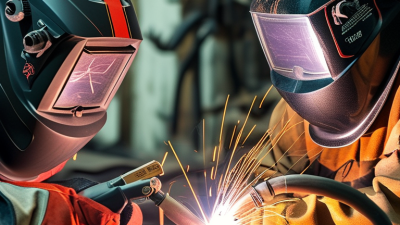
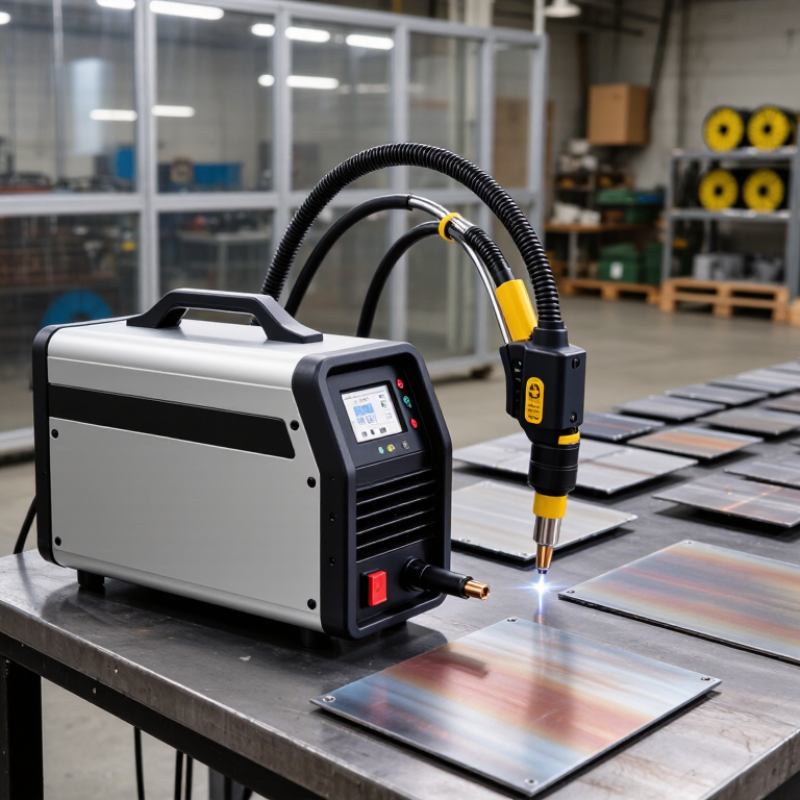
A handheld laser welder is a portable fiber-laser system for joining metal parts. It sends a concentrated beam through a welding head, producing a narrow and controlled heat zone. Unlike conventional arc welding, it usually creates less spatter, smaller distortion, and cleaner seams on stainless steel, carbon steel, aluminum, and galvanized sheet.

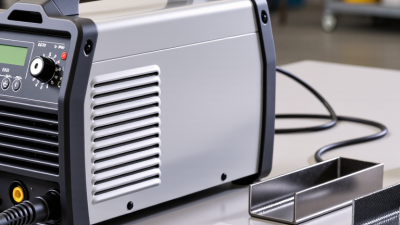
The operator guides the head by hand across the joint. Imagine a small cabinet, a flexible fiber cable, and a torch weighing around one kilogram. The machine may include wire feeding, shielding gas control, and preset welding modes. MarketsandMarkets reported that the global laser welding machine market could grow from about 2.7 billion dollars in 2023 to 4.8 billion dollars by 2028. This growth reflects wider use in fabrication, appliances, and vehicle components.

Speed is attractive, but speed alone proves nothing. Joint fit-up, laser stability, cooling, and operator training decide the result. A poorly aligned seam can still fail, even with impressive power. Most handheld systems are Class 4 laser equipment, so controlled work areas, suitable eye protection, interlocks, and fume extraction are essential. ISO 11553-1 addresses safety requirements for laser processing machines, while ISO 15614-11 supports procedure qualification for laser welding.

China offers many configurations and price levels. The difficult part is comparing real output, service support, electrical compatibility, and safety documentation. A lower purchase price may hide costly downtime. That lesson is easy to miss. Examine sample welds, penetration consistency, warranty terms, and independent test records before choosing equipment.

How Do Chinese Handheld Laser Welders Work?

Chinese handheld laser welders work by concentrating light into a small, intensely heated spot. A fiber laser source sends energy through an optical cable to the welding head. Internal lenses focus the beam on the joint, often producing a narrow weld with limited heat spread. The operator guides the head across clean metal surfaces. Small adjustments matter.

The welding head usually includes a protective gas nozzle. Argon or nitrogen can shield the molten pool from air during welding. Some systems also feed wire when the gap is wider or extra material is needed.

A control panel adjusts laser power, scanning width, speed, and wire-feed rate. These settings depend on material thickness, surface condition, and joint design.

In practical use, stainless steel, carbon steel, aluminum, and galvanized sheet can behave very differently. Cleaning oil, rust, and coating improves consistency. Eye protection and enclosure controls remain essential because the beam is invisible and hazardous. Do not judge performance by power alone. A high-power machine may still create weak joints when the focus, speed, or gas flow is wrong. I have found that beginners often expect automatic perfection. That expectation needs correction. Test pieces, cross-section checks, and documented settings provide more reliable evidence than a quick visual inspection. Even experienced operators should review weld penetration and distortion before approving production work.

Which Features Define the Best Handheld Laser Welder?

The best handheld laser welder is defined by control, not power alone. MarketsandMarkets reported that the global laser welding market could grow from about USD 6.3 billion in 2023 to USD 11.7 billion by 2028. This growth reflects demand for faster, cleaner, and more repeatable welding. In practical work, adjustable laser power, pulse width, and wobble patterns matter greatly. A 1,500–2,000-watt system can handle many steel, stainless steel, and aluminum tasks. However, excessive power may burn thin sheet metal. That mistake is easy to make.

Beam stability is equally important. Look for consistent energy delivery, reliable wire feeding, and effective cooling. A temperature-controlled water chiller can protect performance during long shifts. Ergonomics also deserves attention. A heavy gun becomes tiring after several hours, especially during overhead welding. Industry 4.0 reports increasingly emphasize connected equipment and process traceability. Therefore, data logging and fault alarms can improve quality control. They cannot replace skilled operators, though. Real workshop results still depend on joint preparation, shielding gas, and operator technique.

Tips: Test the welder on your actual materials before purchasing. Examine bead width, penetration, spatter, and heat distortion. Ask for documented safety interlocks, emergency-stop functions, and electrical certifications. ISO 12100 risk-assessment principles can guide this review. Do not judge a machine by its maximum wattage. Check its duty cycle, service access, consumable cost, and training support. A lower-priced unit may become expensive when lenses, nozzles, or repairs are difficult to obtain.

What Is the Best Handheld Laser Welder from China? — Which Features Define the Best Handheld Laser Welder?
Evaluation Dimension Recommended China-Market Benchmark Why It Defines a High-Quality Welder What to Check Before Purchase
Laser Type Continuous-wave fiber laser with a wavelength of approximately 1,070 nm Fiber lasers provide high beam quality, low maintenance requirements, and stable performance for metal welding. Confirm the laser source type, rated output power, operating hours, and service documentation.
Rated Laser Power 1,500–3,000 W for general fabrication; 2,000 W is a practical all-purpose level Higher power improves penetration and welding speed, but also increases electrical, cooling, and safety requirements. Request a measured output-power report rather than relying only on the nominal power shown on the machine label.
Typical Welding Thickness Approximately 0.5–6 mm for many stainless-steel and mild-steel applications, depending on power and joint design Real welding capacity is more useful than laser power alone because it reflects actual production capability. Conduct sample testing using the intended material, thickness, joint type, shielding gas, and welding speed.
Materials Supported Stainless steel, mild steel, galvanized steel, aluminum, brass, and selected coated metals A versatile machine can support more applications and reduce the need for separate welding equipment. Check whether the system includes suitable parameter presets and test results for reflective materials such as aluminum and brass.
Beam Quality M² close to 1.1–1.3, subject to the laser source and optical delivery system Better beam quality produces a smaller, more concentrated spot and helps create consistent penetration and bead appearance. Ask for beam-quality specifications and inspect weld samples at different power and speed settings.
Adjustable Spot and Scan Width Adjustable spot size with a scan width of approximately 0–5 mm or wider Beam adjustment helps control heat input, weld width, penetration, and the appearance of wider seams. Confirm the available wobble patterns, scan frequency, scan width, and whether settings can be stored in the controller.
Handheld Welding Head Ergonomic head weighing roughly 0.7–1.0 kg, with a replaceable protective window A balanced, lightweight head reduces operator fatigue and makes long welding sessions more consistent. Check grip comfort, trigger design, protective-window replacement cost, cable flexibility, and spare-parts availability.
Wire-Feeding Capability Automatic feeder supporting common wire diameters of approximately 0.8–1.2 mm Wire feeding helps bridge small gaps, improve joint strength, and compensate for minor fit-up variations. Verify feeder synchronization, wire compatibility, adjustment range, and the stability of wire delivery at low speeds.
Shielding Gas Requirement Argon or nitrogen, typically around 10–20 L/min depending on material and nozzle design Correct gas coverage protects the molten pool from oxidation and directly affects weld color and strength. Test gas flow under actual operating conditions and inspect the regulator, hose, nozzle, and gas-flow control.
Cooling System Industrial water chiller with temperature monitoring and protection against overheating or low flow Reliable cooling protects the laser source, welding head, and optical components during continuous operation. Check cooling capacity, recommended coolant, alarm functions, ambient-temperature limits, and maintenance procedures.
Control Interface Digital controller with adjustable power, welding speed, scan width, frequency, gas delay, and wire-feed speed Precise parameter control improves repeatability between operators, materials, and production batches. Confirm password protection, parameter storage, multilingual operation, error messages, and ease of restoring standard settings.
Electrical Efficiency Fiber-laser electro-optical efficiency commonly around 30% or higher, with efficient system-level cooling Higher efficiency reduces electricity consumption and operating heat compared with many traditional welding systems. Compare total machine input power, not only laser output power, and review performance at the intended duty cycle.
Duty Cycle Designed for continuous industrial operation, commonly rated around 80–100% under specified conditions A high duty cycle is important for production environments where frequent pauses reduce productivity. Check the rated duty cycle, ambient-temperature conditions, recommended rest intervals, and thermal protection behavior.
Safety Protection Key switch, emergency stop, trigger interlock, grounding, laser warning indicators, and compatible protective eyewear Handheld industrial laser welders can present Class 4 laser hazards, so safety controls are essential. Confirm the complete safety circuit, protective equipment specifications, operator training requirements, and site enclosure needs.
Electrical Compatibility Single-phase or three-phase input options appropriate for the required power level and installation site Correct electrical matching prevents overloads, unstable operation, and installation delays. Verify voltage, frequency, phase requirements, maximum current, plug type, circuit protection, and grounding requirements.
Maintenance and Spare Parts Easy access to protective lenses, nozzles, ceramic rings, filters, coolant, and feeder components Consumable availability has a direct effect on downtime and total ownership cost. Request a consumables list, replacement intervals, prices, service response times, and a recommended spare-parts kit.
Weld Quality and Repeatability Stable bead appearance, limited spatter, consistent penetration, and low distortion after parameter optimization The best machine is not simply the most powerful; it must produce repeatable results in real production conditions. Evaluate sample welds for penetration, porosity, tensile strength, surface finish, heat distortion, and operator-to-operator consistency.
Total Cost of Ownership Purchase price evaluated together with electricity, gas, consumables, maintenance, training, and downtime A lower initial price may result in higher long-term costs if service, parts, or energy performance are inadequate. Prepare a three-year cost comparison based on operating hours, consumable use, maintenance intervals, and expected production volume.
Selection note: Specifications vary by laser power, material, joint design, shielding gas, operator technique, and machine configuration. A practical evaluation should always include a sample-welding trial using the exact materials and thicknesses required for production.

How to Compare Chinese Handheld Laser Welder Manufacturers

What Is the Best Handheld Laser Welder from China?

How to Compare Chinese Handheld Laser Welder Manufacturers

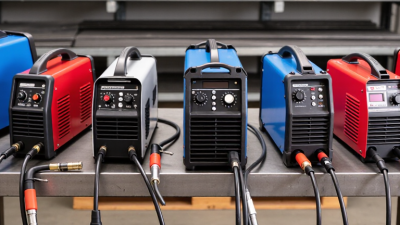
The best handheld laser welder is not defined by power alone. Compare manufacturers through real welding tests, not attractive product pages. Ask for samples using your materials, thicknesses, and joint designs. Examine penetration, bead shape, spatter, heat distortion, and operator control. A clean stainless-steel sample may hide poor performance on aluminum or galvanized surfaces.

Check the laser source, welding head, wire feeder, cooling system, and control software. Stable power matters during long production shifts. Request measured output data, maintenance records, and a clear parts list. Safety deserves equal attention. Confirm protective interlocks, emergency controls, shielding guidance, and compliance documents for your destination market. A low price can become expensive when replacement optics are difficult to obtain.

Manufacturer experience appears in practical details. Does the technical team understand your application? Can they provide training videos, remote support, and local service options? Ask how quickly they supply lenses, nozzles, and protective windows. Review warranty terms carefully, including exclusions and response times. Factory audits can reveal assembly quality, testing procedures, and inventory control.

Do not trust one demonstration. I have seen polished samples that failed under repeated welding. That matters. An honest supplier should discuss limitations, not promise perfect results. My own comparison process still has gaps, especially when production conditions change. Request a trial run, record the settings, and let several operators test the machine before making a final decision.

How to Choose the Right Handheld Laser Welder for Your Needs

What Is the Best Handheld Laser Welder from China?

How to Choose the Right Handheld Laser Welder for Your Needs

Choosing the right handheld laser welder starts with the material, not the advertised power. Stainless steel, mild steel, aluminum, and galvanized surfaces respond differently. Check the recommended thickness range against your real production samples. A machine that handles thin sheet well may struggle with thicker joints. Test the weld bead, penetration, heat distortion, and cleanup time before ordering.

In practical workshop evaluations, a stable beam matters more than impressive brochure numbers. Ask for sample welds using your metal, joint design, and preferred filler wire. Review laser power control, pulse settings, spot adjustment, wire feeding, and cooling performance. A clear touchscreen helps, but simple controls are often safer during repetitive work. Check the torch weight carefully. Fatigue arrives quietly.

Inspect the frame, cable protection, replacement parts, and service response. Request electrical specifications, safety documentation, training materials, and a written warranty. Verify that the equipment can be used legally in your location, with suitable protective eyewear, guarding, ventilation, and emergency controls. I have seen buyers focus on speed and overlook operator posture. That mistake can reduce quality after several hours. No test is perfect. A lower-cost unit may be reasonable, but only when its tested output and support match your workload.