China Best Handheld Laser Welder for Sale?
Finding the China best handheld laser welder for sale starts with matching the machine to the work, not chasing the biggest power rating. A laser welder hand held may suit fabrication shops, maintenance teams, or small manufacturers working with compatible metals. But performance depends on material type, thickness, joint design, and operator skill. A compact unit can be useful on a crowded bench, while a heavier model may better support longer production runs. Small details matter.
When comparing suppliers, check the stated laser power, cooling method, duty cycle, supported materials, and available wire-feeding options. Ask for clear specifications, operating instructions, warranty terms, and practical after-sales support. A polished product page is not enough evidence. Request documentation and confirm that the proposed configuration fits your intended jobs. For example, test pieces can reveal whether a weld’s appearance and penetration meet your needs before regular production begins.
Safety deserves equal attention. Review the manufacturer’s guidance on protective equipment, work-area controls, training, and maintenance before operation. Requirements can vary by location and workplace, so verify applicable local standards with a qualified professional. Avoid choosing on price alone; replacement parts, service response, and installation needs affect the real cost. This guide outlines what to assess when evaluating Chinese handheld laser welders, while recognizing that no single machine is right for every shop. Even a careful checklist cannot replace a hands-on evaluation.
What Is a Handheld Laser Welder?
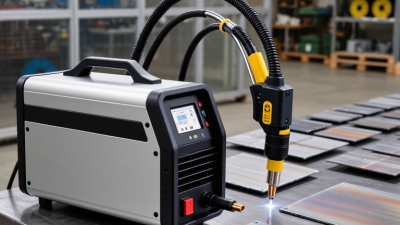
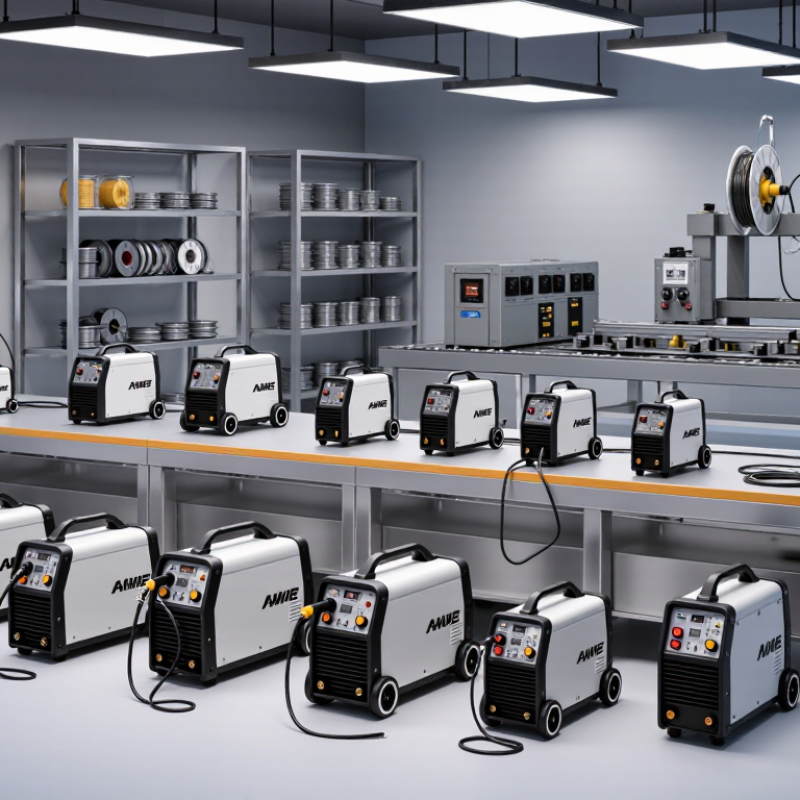
A handheld laser welder is a portable tool that joins metal by focusing a concentrated laser beam onto a small area. The energy heats the edges of two parts until they fuse, often with less surrounding heat than many conventional welding methods. The operator guides a handheld head along the joint, while a power unit controls the beam and welding settings. Some setups also feed filler wire when the joint or material needs it.
The tool can suit repair work, sheet-metal fabrication, and short welds on compatible metals. A narrow seam may need little finishing, but results depend on material, thickness, joint fit, and steady hand movement. A visible gap or uneven travel speed can create a weak or unattractive bead. It is not magic. Settings that work on one sample may not transfer neatly to another, so test pieces and inspection matter.
Safe operation requires proper training and controls for the laser’s hazards. Use a suitable enclosed work area, wavelength-rated protective eyewear, and effective fume extraction. Keep reflective objects away from the beam path, and follow the equipment maker’s operating guidance. For thick sections, awkward joints, or critical structural work, another process may be more practical. Choosing a welder starts with the actual material and job, not just portability.
How Handheld Laser Welding Works
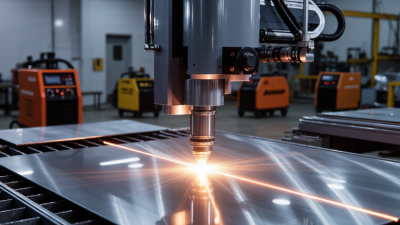
A handheld laser welder joins metal by directing a concentrated beam onto the joint. The energy heats a small area, melting the edges into a shared weld pool. As the torch moves, the pool cools and solidifies behind it. That is the basic process.
The operator guides the handpiece while its optics hold the beam near the joint. Travel speed, focus, power, and the gap between parts all affect the result. Shielding gas can help protect the hot metal from contamination. A steady hand matters, but clean surfaces and close-fitting parts matter too. Even a smooth-looking bead may need closer inspection. Thin sheet can distort, while incorrect settings may cause weak fusion or burn-through. It is easy to focus on speed and overlook preparation; that is a mistake worth checking.
Tips: Remove oil, rust, and coatings before welding. Practice on matching scrap, then inspect both sides of the joint. Follow the equipment manual, use protection suited to the laser, and keep the work area controlled. Small details count.
Key Features of Chinese Handheld Laser Welders
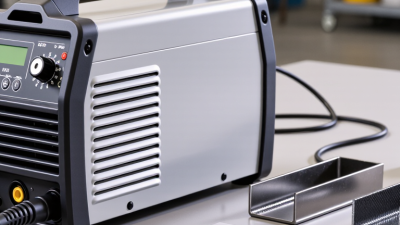
For a Chinese handheld laser welder, inspect the weld-control features, not just its power label. Variable output, adjustable pulse or wobble patterns, and steady wire feeding help control heat. These features can suit thin stainless panels, corner joints, and small gaps. A balanced torch matters during long seams. So does a clear control screen.
Grand View Research’s Laser Welding Market report estimated the global market at about US$2.7 billion in 2023, with an 8.0% compound annual growth rate forecast for 2024–2030. This signals broader industrial adoption, not equal performance across machines. Ask sellers for measured output consistency, duty cycle, cooling method, and sample welds on your material. Numbers need proof.
Look closely at the lens protection, cable flexibility, and cooling alarms; these details affect daily use. Confirm that the unit’s safety interlocks and supplied protective equipment match its operating instructions. Before ordering, test a short seam and a corner joint on the same metal thickness you plan to weld. Record the settings and inspect the bead for porosity or uneven penetration. A polished sample is useful, but repeatable results matter more.
China Best Handheld Laser Welder for Sale? Key Features to Compare
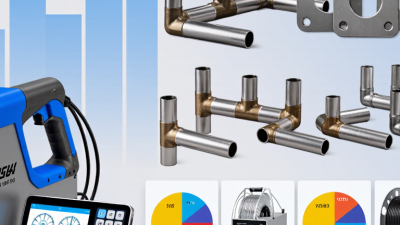
Representative nominal laser power options commonly offered for handheld welding systems. Power alone does not determine weld quality or material thickness capability.
When comparing systems, also check material compatibility, wire-feeding options, cooling method, safety features, and the manufacturer’s tested thickness range.
How to Choose a Handheld Laser Welder for Sale in China
China Best Handheld Laser Welder for Sale?
Choosing a handheld laser welder for sale in China starts with your actual jobs, not the highest power figure. List the metals, thicknesses, joint shapes, and daily operating hours you expect. A machine used on thin stainless-steel panels may need different settings and wire-feeding options than one used for thicker steel. Fit matters. Ask suppliers for a clear specification sheet covering output power, cooling method, compatible materials, and included safety equipment.
MarketsandMarkets estimates that the global laser welding market will grow from about US$2.9 billion in 2023 to US$4.7 billion by 2028. This figure covers laser welding broadly, not handheld units alone, so it should not be treated as a guarantee of demand for a particular machine. Compare suppliers on verifiable details: request a live welding demonstration, sample welds on your material, and written service and warranty terms. A polished demo is useful, but it may not reflect your workshop conditions.
Tips: Ask for a test weld using your own material and thickness. Check the bead under consistent lighting, then inspect penetration and distortion. Confirm local spare-parts availability and operator training before paying. I would not choose on price alone; honestly, a small gap in the supplier’s documentation can become a real headache later.
Common Applications and Safety Considerations
Handheld laser welders are used in sheet-metal fabrication, equipment repair, and custom metalwork. Their narrow heat zone can help limit distortion on thin panels and visible seams. Common materials include stainless steel and carbon steel; aluminum may require carefully matched settings and technique. Small details matter. Clean edges and steady hand movement can affect the bead more than speed alone.
The concentrated beam can cause serious eye and skin injuries, including from reflected light. Use the machine only in a controlled, enclosed work area with suitable laser-rated protection for the specific wavelength and operating conditions. Ordinary workshop glasses are not enough. Keep reflective objects away from the beam path, and restrict access while welding. Extract fumes near the workpiece, especially when coatings or residues may be present. Keep flammable materials clear, and have appropriate fire precautions ready.
Before starting, check the equipment, cables, nozzle, and safety interlocks against the operating manual. Remove oil, paint, and loose scale from the joint. Secure small parts so they cannot shift under the nozzle. A test bead on matching scrap can reveal poor focus or excessive heat before a finished part is damaged. Not every joint suits handheld laser welding; reflective surfaces, awkward access, and inconsistent fit-up can make results unpredictable. That limitation deserves honest attention.