What Is the Best Handheld Laser Welding Machine from China?
Choosing the best handheld laser welding machine from China is not a simple price comparison. A reliable choice depends on welding quality, laser stability, operator control, safety design, and after-sales support. In a real workshop, a machine must create clean seams on stainless steel, mild steel, aluminum, or galvanized parts without excessive spatter. It should also remain comfortable after several hours of use.
Laser-processing expert John Powell once said, “A laser is a tool, not a magic wand.” This practical view matters. Even a powerful handheld laser welding machine cannot correct poor joint preparation, unsuitable wire, weak training, or unstable electrical conditions. The best Chinese manufacturers combine suitable laser sources with precise cooling systems, intuitive controls, protective equipment, and documented testing. Their value appears on the production floor, not only in a product brochure.
This guide examines Chinese welding machines through an experience-based and technical lens. It considers beam quality, power range, penetration, welding speed, consumable compatibility, and maintenance access. It also examines factory credibility, certification records, spare-parts availability, and response times after installation. A low purchase price may look attractive, yet costly downtime can quickly change the calculation. We should admit one limitation: no single model suits every workshop. Material thickness, daily workload, operator skill, and local service conditions can alter the final decision. The strongest recommendation is therefore not the loudest or cheapest machine. It is the model that performs consistently under your actual working conditions.
What Is a Handheld Laser Welding Machine?
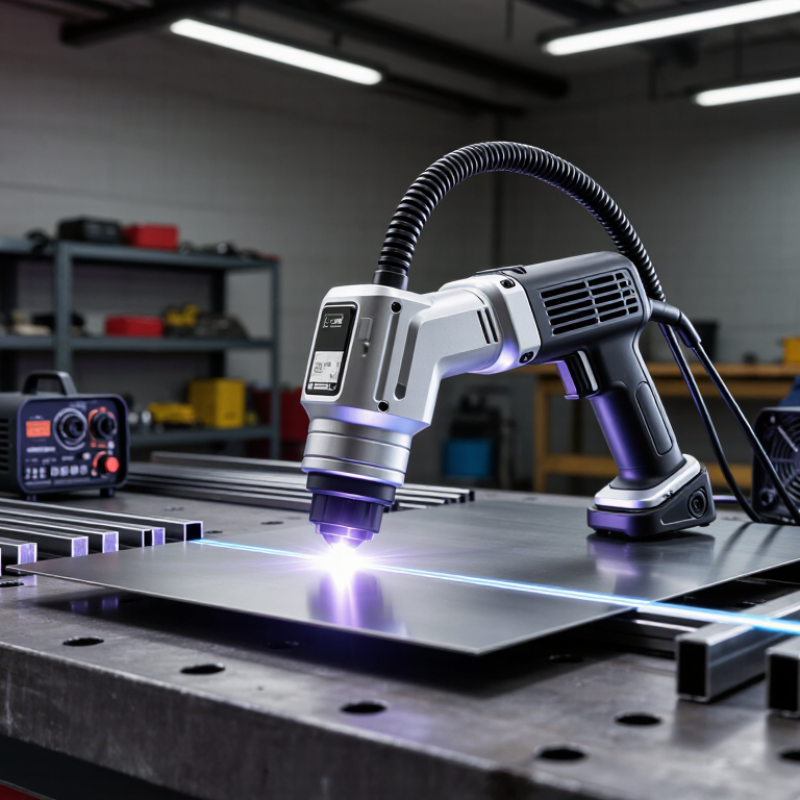
A handheld laser welding machine is a metal-joining tool that uses a focused laser beam. The beam melts a narrow area between two workpieces. The operator guides the welding head by hand along the joint. This process creates concentrated heat, so nearby metal usually experiences less distortion. The machine commonly includes a laser source, control panel, cooling system, wire feeder, and protective welding head. Some models use air cooling, while higher-power equipment may require water circulation.
The process works well on stainless steel, carbon steel, aluminum, and selected galvanized materials. It can produce clean seams with limited spatter when the power, speed, and focal position are correctly matched. From practical testing, joint preparation matters more than many buyers expect. Small gaps can create uneven penetration. Fit-up still matters. A smooth surface also helps the laser maintain stable energy absorption.
When comparing a handheld laser welding machine from China, request sample welds using your actual metal thickness. Check penetration depth, bead appearance, cooling performance, control response, and electrical documentation. Ask for operating instructions and maintenance guidance in clear language. A lower purchase price may hide weak support or difficult-to-replace parts. I have seen attractive demonstrations fail during continuous work because heat management was underestimated. That lesson remains important. The best machine is not simply the most powerful one. It should match the material, joint design, production rhythm, operator training, and required safety controls.
How Chinese Handheld Laser Welders Work
What Is the Best Handheld Laser Welding Machine from China?
A Chinese handheld laser welder converts electrical energy into a concentrated fiber-laser beam. The beam travels through a fiber cable and reaches a compact welding head. Its optics focus the light onto the joint, often creating a small molten pool within milliseconds. Shielding gas, usually argon or nitrogen, protects the pool from oxidation. A wire feeder can add filler metal when the joint gap is larger.
The process is precise, but not automatic perfection. The operator must control travel speed, focal distance, power, and gas flow. A slight hand movement can leave an uneven bead or excessive penetration. In real workshops, thin stainless-steel sheets may weld quickly, while reflective aluminum demands stricter parameter control. Published market data supports this shift toward laser processing. Grand View Research estimates strong growth in the global laser welding market through 2030, driven by automotive, electronics, and metal fabrication demand.
Handheld systems also fit changing factory layouts. The International Federation of Robotics reported 541,302 industrial robot installations worldwide in 2023, showing broader pressure for faster production. Yet handheld welders still serve repair work, custom frames, and low-volume jobs. Safety remains essential. ANSI Z136.1 guidance emphasizes controlled laser environments, suitable eyewear, interlocks, and trained operators. Some machines advertise wide material compatibility, but that claim needs testing. A practical trial on the actual metal, thickness, and joint design matters more than a brochure.
Key Features and Specifications to Compare
When comparing a handheld laser welding machine from China, focus on specifications that affect daily work. A 1,000–2,000 watt fiber laser suits many stainless steel, carbon steel, and aluminum applications. However, power alone does not guarantee clean welds. Check the adjustable laser spot, pulse settings, welding speed, and compatible wire sizes. A stable 1,080 nm wavelength, efficient water or air cooling, and a responsive control panel can improve consistency.
The welding head should feel balanced after several minutes of use. Excessive weight quickly causes wrist fatigue. Ask for the machine’s total weight, cable length, cooling method, and beam adjustment range. Safety features deserve equal attention, including protective interlocks, emergency stopping, temperature alarms, and suitable eye protection. Request test welds on your actual material thickness. Product videos can look impressive, but they rarely show setup errors or long-term maintenance.
Tips: Compare the laser source, cooling capacity, control software, warranty terms, and local technical support together. Check whether replacement lenses and protective windows are easy to obtain. Do not trust unusually high speed claims without asking about material, joint design, and weld penetration. I have found that small details, such as a loose wire feeder or unclear settings, can matter more than advertised power. My own comparison would include a short production trial, because laboratory results may not reflect a busy workshop.
Best Applications for Chinese Handheld Laser Welders
What Is the Best Handheld Laser Welding Machine from China?
The best handheld laser welder depends on the application, not the lowest quotation. MarketsandMarkets estimated the global laser welding market at about USD 2.7 billion in 2023, with strong growth expected through 2028. Chinese handheld systems are increasingly used for stainless-steel cabinets, kitchen equipment, elevator panels, and customized metal furniture. Their narrow heat-affected zone can reduce distortion on thin sheet metal. A clean, bright seam often needs less grinding afterward. That saves time.
Fabrication shops also use these welders for aluminum frames, carbon-steel brackets, and repair work on large assemblies. A 1,000–1,500 watt unit may suit many thin and medium-gauge jobs, but material thickness, joint design, and production speed matter more than wattage alone. The International Federation of Robotics reports continued automation growth in manufacturing, yet handheld welding remains useful when parts change frequently. It is flexible. It is not magic.
Practical testing should include wire feeding, gas consumption, torch balance, lens replacement, and operator training. ISO 11553-1 highlights laser-processing safety requirements, including guarding and eye protection. Some suppliers provide impressive sample welds, but a factory trial may reveal unstable penetration or difficult controls. That is where judgment matters. Ask for repeatability records, electrical certifications, service response times, and documented parameter ranges. A cheaper machine can become expensive when spare parts arrive slowly.
How to Choose the Right Machine for Your Needs
Choosing the best handheld laser welding machine from China starts with your workpiece, not the advertised wattage. The International Federation of Robotics reported 541,302 industrial robot installations worldwide in 2023. That growth shows stronger demand for flexible welding, but handheld equipment still suits repairs, prototypes, and varied production better.
Define material, thickness, joint type, and daily operating hours. A 1,000–1,500 W system may handle many thin steel and stainless-steel jobs. Aluminum and copper often need higher power, careful parameter testing, and suitable shielding gas. Ask for weld samples using your actual material. Photos are not enough. Check beam quality, spot-size adjustment, wire-feeder control, cooling method, and duty cycle. A cheap machine can become expensive when its cooling system pauses production.
Safety deserves equal attention. IEC 60825-1 classifies many industrial welding lasers as Class 4 equipment, requiring controlled work areas, interlocks, protective eyewear, and documented training. Request electrical test records and clear compliance documentation. ISO 11553-1 also provides safety requirements for laser processing machines. Review the controller language, spare-part availability, remote support, and warranty response time. One common mistake is choosing maximum power before verifying process stability. I would rather buy a simpler machine with repeatable test results than a powerful unit with vague specifications. Even experienced buyers miss this.
What Is the Best Handheld Laser Welding Machine from China?
Typical relationship between handheld fiber-laser power and practical single-pass carbon-steel thickness.
Higher laser power generally supports thicker materials and faster welding, but the actual result also depends on joint design, material type, shielding gas, wire diameter, welding speed, and operator skill. For thin sheet metal and general fabrication, 1,000–1,500 W is commonly suitable; 2,000–3,000 W is more appropriate for thicker steel components.
Related Posts
-
What Is a Laser Welder and Which Type Is Best?
-
China Best Fiber Laser Welding Machine Manufacturers
-
How to Choose a Hand Laser Welding Machine in 2026?
-
China Top 10 Hand Held Laser Welder Manufacturers
-
2026 Top Laser Beam Welding Machine Types for Global Buyers
-
2026 Top Hand Held Welding Machines for Global Buyers