What is Aluminium Welding and How Does it Work?
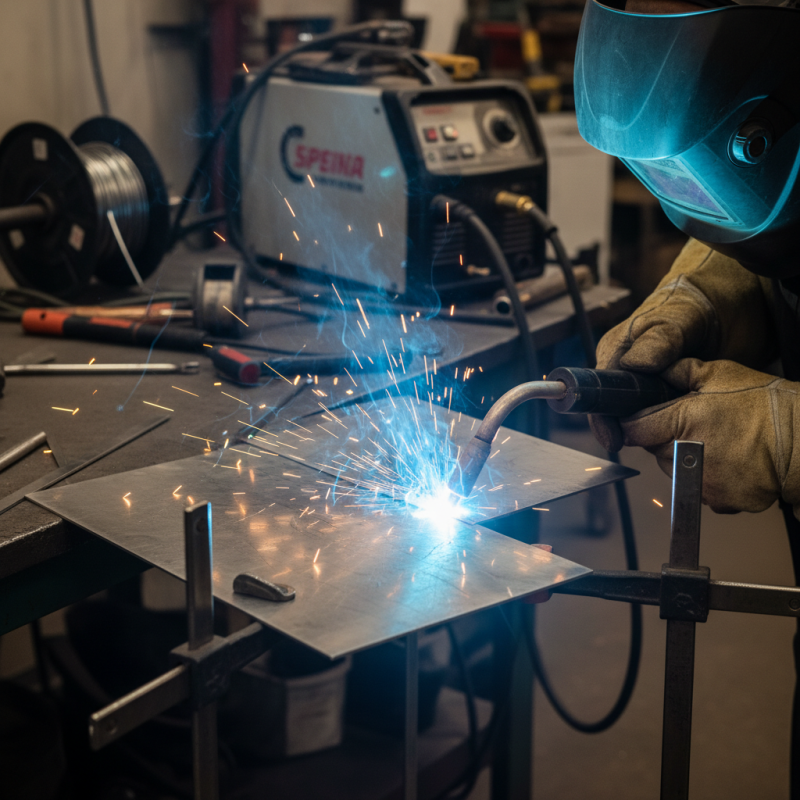
Aluminium welding is an essential process in many industries. It involves joining pieces of aluminium using heat and filler material. This technique has unique challenges and advantages.
The process requires careful attention to detail. Aluminium has a low melting point, which can lead to warping. Proper techniques and equipment are crucial for successful aluminium welding. Various methods are available, including MIG and TIG welding. Each has its own benefits and limitations.
Many factors influence the quality of the weld. Material cleanliness and preparation play a significant role. Inexperienced welders might overlook these details. This can result in weak joints or defects. Understanding the intricacies of aluminium welding is vital for achieving strong, durable connections.
What is Aluminium Welding?
Aluminium welding is a process that joins aluminium parts together using high heat. It involves melting the base metal and adding a filler material. This creates a strong bond once cooled and solidified. Aluminium is lightweight and resistant to corrosion, making it a popular choice in many industries.
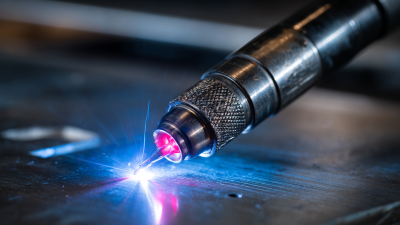
One common method of aluminium welding is TIG (Tungsten Inert Gas) welding. It uses a non-consumable tungsten electrode to produce a stable arc. This method requires precise control and good technique. Many beginners struggle with maintaining the right temperature. Too high can lead to burn-through, while too low results in poor fusion. Practicing is essential to mastering this skill.
Another technique is MIG (Metal Inert Gas) welding. This method feeds filler material continuously. It is generally faster than TIG but can be less precise. Welds may appear inconsistent due to uneven feeding. Achieving a clean weld requires practice and attention to detail. Almost every welder faces challenges; it’s part of the learning journey.
Key Characteristics of Aluminium as a Material
Aluminium is a lightweight metal known for its strength and durability. It is a key material in various industries, including aerospace and automotive. According to a report by the International Aluminium Institute, aluminium’s density is only about one-third that of steel, making it an excellent choice for reducing weight while maintaining structural integrity.
One of the significant characteristics of aluminium is its resistance to corrosion. This feature extends the lifespan of products made from aluminium. The metal naturally forms a protective oxide layer when exposed to oxygen. However, this oxide layer can sometimes cause challenges during welding. It requires proper preparation to ensure a strong bond.
Tips: Always clean the surface before welding to remove the oxide layer. This can prevent weak joints and enhance the final product’s quality. Additionally, consider using filler materials specifically designed for aluminium to improve weld strength.
Another aspect to consider is aluminium's thermal conductivity. While it dissipates heat effectively, this can create issues in welding. A welder must manage the heat input carefully. Too much heat can lead to warping or distortion in the workpiece. Moreover, achieving the right joint design and welding technique is crucial for successful results.
Tips: Practice using different welding methods to find the best fit for your project. Also, pay attention to the welding parameters, such as speed and current, to maintain control over the material.
Common Welding Techniques for Aluminium
Aluminium welding involves several techniques, each suited for different applications. Common methods include Gas Metal Arc Welding (GMAW), Tungsten Inert Gas (TIG) welding, and Metal Inert Gas (MIG) welding. GMAW is popular for its efficiency. It offers a fast process that suits high-production environments.
TIG welding is precise and ideal for thin materials. It allows for great control, but it requires skill. Many beginners struggle with the technique. It’s essential to practice to master it. MIG welding is more forgiving. It's easier for novices, making it a common choice for many.
**Tips:** When starting with aluminium welding, ensure your materials are clean. Oxidation can hinder the weld quality. Use a wire brush or chemical cleaner. Also, pay close attention to the heat settings. Too much heat can warp the material.
Avoid fatigue while welding. Take breaks to maintain focus. Staring at a weld for too long can lead to mistakes. Each weld may not be perfect. Reflect on your work and learn from any imperfections. This will enhance your skill over time.
Aluminium Welding Techniques Comparison
This bar chart illustrates the popularity of various aluminium welding techniques based on their usage in industry. MIG welding is the most commonly used technique, followed by TIG and stick welding, while friction stir and laser welding are less prevalent.
The Aluminium Welding Process Step-by-Step
Welding aluminum is a precise and intricate process. Understanding the steps involved helps ensure high-quality results. The process begins with surface preparation. Clean the aluminum thoroughly to remove contaminants like oils, dust, and oxides. This ensures better fusion during welding.
Next, choose the right welding technique. Common methods include MIG and TIG welding. MIG is faster and ideal for thicker materials, while TIG provides precise control for thinner sections. Industry data shows that MIG welding is preferred for over 70% of aluminum projects in manufacturing. This preference highlights its efficiency, although it may produce more spatter.
During the welding process, maintain a steady travel speed. Watch for changes in the color of the molten metal. It indicates the temperature and can impact the quality of the weld. A common mistake is moving too fast or too slow, which can lead to weak welds.
Tips: Use a backing bar to improve heat conduction. This helps to minimize distortion and warping of the aluminum. Don’t forget to monitor the filler material closely. Different alloys may require specific types to ensure compatibility.
Overall, mastering aluminum welding requires practice and attention to detail. Identifying what works best for your specific project may take time. Reflection on each attempt will lead to improvement.
Aluminium Welding Process Step-by-Step
| Step |
Description |
Equipment Required |
Safety Measures |
| 1 |
Preparation of the Material |
Grinding tool, cleaning solution |
Protective gloves and goggles |
| 2 |
Setting up the Welding Equipment |
Welding machine, gas supply |
Ventilation to avoid gas accumulation |
| 3 |
Welding Process |
Welding torch, filler material |
Wear a welding helmet and protective clothing |
| 4 |
Cooling and Inspection |
Cooling equipment, inspection tools |
Ensure area is safe from sparks |
| 5 |
Post-Welding Cleanup |
Cleaning supplies, inspection gauges |
Dispose of waste materials safely |
Applications and Benefits of Aluminium Welding
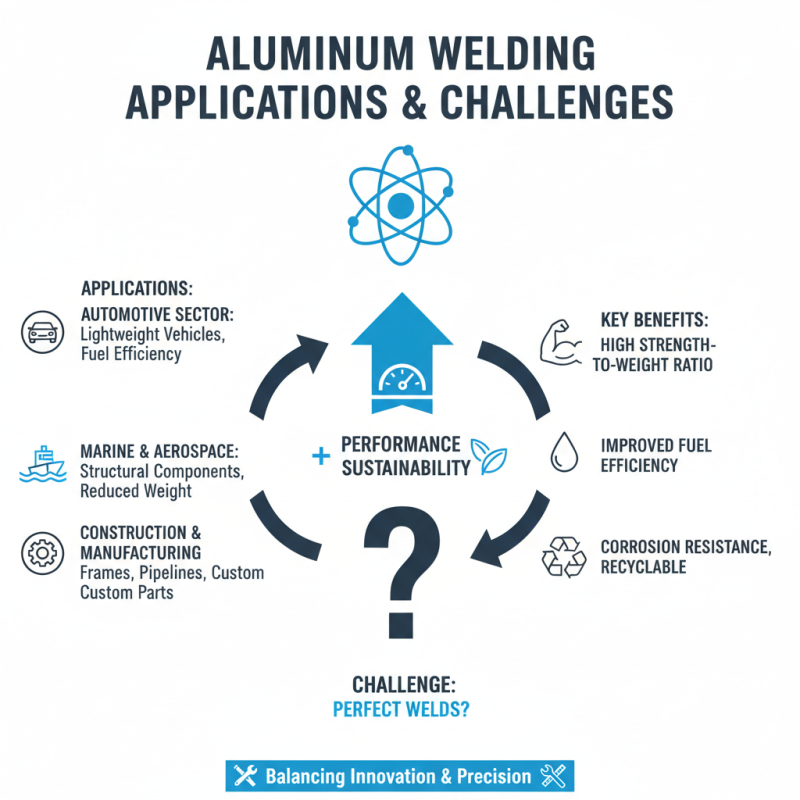
Aluminium welding offers numerous applications across various industries. It is widely used in the automotive sector, where lightweight materials are essential for fuel efficiency. Manufacturers rely on aluminium components to build lighter vehicles without compromising strength. This creates a balance between performance and sustainability, yet the challenge remains in achieving perfect welds consistently.
In the aerospace industry, aluminium welding plays a crucial role in constructing aircraft. The ability to join materials effectively ensures safety and durability. However, the welding process can be tricky. Variations in temperature and humidity can impact the quality of the weld. Even experienced welders may face difficulties, leading to potential flaws in the final product.
Construction projects also benefit from aluminium welding. Structures often require durable and lightweight materials. Aluminium's resistance to corrosion makes it ideal for outdoor applications. Yet, welders must remain vigilant. Each project presents unique conditions. It's crucial to adapt techniques to ensure quality and performance. By learning from past experiences, the industry can improve and innovate continuously.