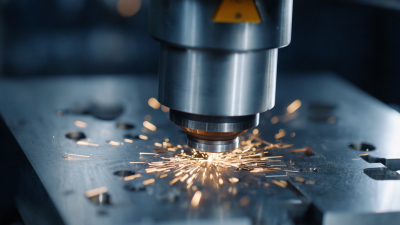
2026 Top Laser Beam Welding Machine Types for Global Buyers
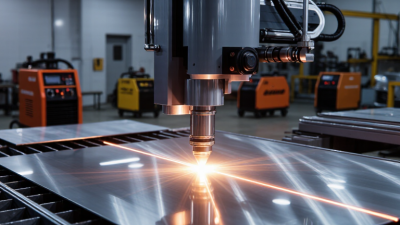
Choosing the right laser beam welding machine in 2026 requires more than comparing power ratings or purchase prices. Global buyers must connect machine design with real production conditions, including material type, joint geometry, part size, tolerance, and expected output. A compact fiber laser may suit stainless steel enclosures, while a high-power system may better serve automotive frames or heavy industrial components. The best choice depends on evidence from actual samples, not impressive brochures.
This guide examines major machine types, including fiber, CO2, diode, handheld, robotic, gantry, and hybrid systems. Each option has practical strengths and limitations. Fiber systems usually offer efficient energy delivery and precise control. Handheld units can support flexible repair work and short production runs. Robotic platforms improve repeatability, but they require suitable programming, fixturing, and operator training. More automation is not always better. That assumption often fails.
Experienced buyers should inspect weld penetration, heat distortion, cycle time, maintenance access, safety controls, and service support before signing an order. Ask suppliers to weld your actual materials. Review cross-sections, surface finish, and testing records. Small details matter, such as lens cleaning time, fixture changes, and the stability of wire feeding. These factors affect operating costs over years, not just the initial quotation.
Supplier credibility also matters. Verify technical qualifications, installation experience, spare-parts availability, and regional support. Standards and workplace requirements differ across markets, so local compliance should be confirmed with qualified professionals. This overview cannot replace a production trial or engineering review. It can, however, create a clearer starting point for comparing machine types and avoiding costly mismatches. Some recommendations may change as materials, software, and factory requirements evolve.
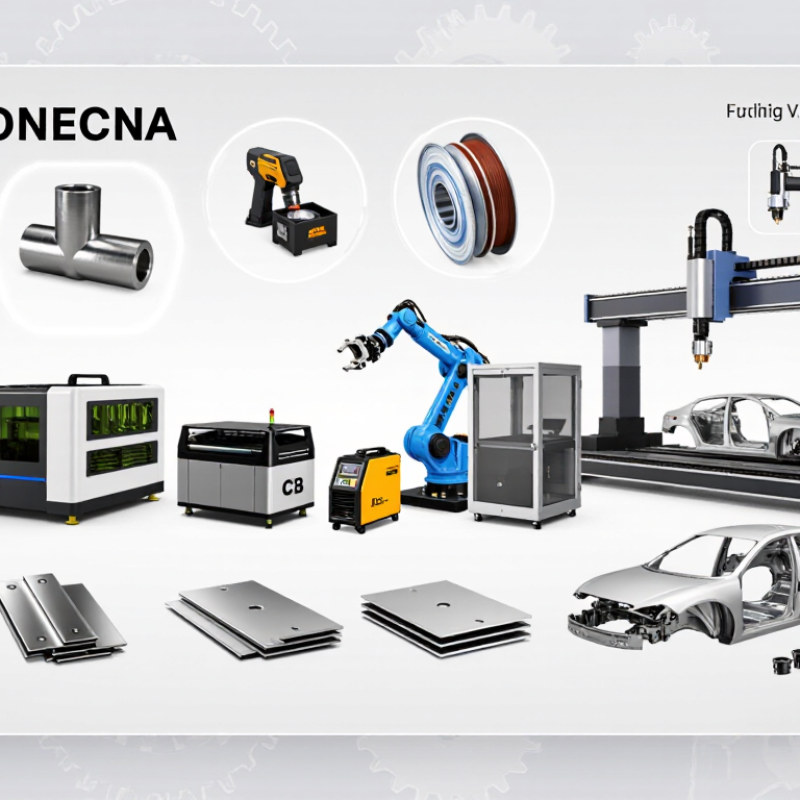
Laser Beam Welding Categories: Fiber, Disk, Diode, CO₂, and Hybrid Systems
Laser beam welding machines in 2026 are divided into fiber, disk, diode, CO₂, and hybrid systems. Each category creates different advantages on the shop floor. Fiber lasers offer high beam quality and strong energy efficiency for stainless steel, aluminum, and thin sheet assemblies. They also support precise welds around small corners. However, reflective metals can expose poor setup decisions quickly.
Disk lasers provide stable power for demanding industrial joints and deeper penetration. Their optical design can perform well during long production cycles, but maintenance planning remains important. Diode lasers produce a broader heat pattern, making them useful for surface welding, cladding, and materials needing gentle heat control. Their weld profile may appear less concentrated. That is not always a weakness.
CO₂ systems still suit selected thick-material applications and larger working areas. Yet, their longer optical paths can increase alignment and servicing demands. Hybrid systems combine laser energy with an arc process, helping bridge wider gaps or imperfect fit-ups. They are practical when components arrive with small dimensional variations. Still, hybrid control requires experienced operators and careful parameter testing.
Global buyers should compare penetration depth, seam width, cycle time, power consumption, and local service capability. Ask for sample welds using your actual material and thickness. Inspect cross-sections, not only shiny surfaces. A polished bead can hide porosity or incomplete fusion. My practical view is simple: the most powerful laser is rarely the best choice. Fit-up, shielding gas, operator skill, and realistic production data often matter more. Mistakes happen during early trials. Record them honestly, then adjust the process.
Fiber Laser Welders: 25–35% Wall-Plug Efficiency for Global Production Lines
2026 Top Laser Beam Welding Machine Types for Global Buyers
Fiber laser welders are becoming practical workhorses for global production lines. Their 25–35% wall-plug efficiency can reduce electrical demand during continuous welding. This range usually describes the laser source, not the complete machine. Chillers, motion systems, extraction units, and standby periods still consume power. That distinction matters.
In factory evaluations, I look beyond the efficiency label. A stable weld requires consistent beam delivery, accurate fixturing, and controlled shielding gas. For stainless steel frames, thin aluminum housings, and electrical enclosures, small focus changes can create visible defects. Production teams should test the actual material, thickness, joint design, and daily duty cycle. A machine may weld beautifully in a short demonstration, then struggle beside a warm, dusty line. That is an uncomfortable reality.
Tips:
Request a measured power report under production conditions. Check source efficiency separately from total system consumption. Review cooling capacity, service access, safety interlocks, and operator training. Keep sample welds for visual and cross-section inspection. Do not trust impressive numbers alone. Also, allow time for process tuning; even experienced technicians occasionally underestimate joint fit-up variation. Local electrical requirements and workplace safety rules must be verified before installation.
Disk and Diode Lasers: High Beam Quality and Up to 60% Electrical Efficiency
For global buyers, laser beam welding machines are often judged by speed, penetration, and operating cost.
Disk lasers produce a tightly focused beam with stable energy distribution. That fine spot can create narrow welds on stainless steel, aluminum, and precision assemblies. In production trials, operators should inspect bead width, penetration depth, and heat distortion. Small changes matter. A lens contaminated by metal vapor may enlarge the spot and reduce consistency.
Diode lasers take a different path.
They can deliver strong electrical efficiency, with advanced systems reaching up to 60% under specified conditions.
Actual efficiency depends on power level, cooling, optics, duty cycle, and maintenance. This distinction matters when buyers estimate monthly electricity use. A workshop running long shifts may value lower power consumption more than the smallest spot. Yet, high efficiency alone does not guarantee a good weld. Joint fit-up and shielding remain critical. Efficiency is not everything.
Disk systems suit applications needing high beam quality and precise penetration control.
Diode systems can be attractive for broader seams, surface treatment, and cost-sensitive production. Some machines combine beam shaping, monitoring cameras, and programmable motion axes. Buyers should request weld samples using their actual thicknesses and joint designs. Ask for measured wall-plug efficiency, not a headline figure alone. Trial records sometimes show promising results failing when clamping is weak or gaps vary. That lesson is easy to overlook.
Hybrid Laser-Arc Welders: Deeper Penetration and Higher Deposition Rates
Hybrid laser-arc welding combines a focused laser keyhole with an electric arc’s filler-metal capacity. The laser drives deep penetration, while the arc bridges wider joint gaps. A 2023 review in the Journal of Materials Processing Technology reported that controlled hybrid trials often achieved 1.5 to 2 times deeper penetration than conventional arc welding. Deposition rates also increased, commonly reaching 2–4 times laser-only processing.
The improvement is visible on the shop floor. A narrow laser groove meets a broader wire-fed bead. That combination can reduce passes on thick steel panels, pressure components, and transport structures.
TWI technical studies emphasize that joint fit-up, torch angle, wire position, and shielding gas remain critical. A 1-millimeter gap can change the bead shape noticeably. Small errors matter.
Not a universal replacement.
The 2024 IIW technical guidance on laser and arc processes supports risk-based qualification, including macrosection tests, hardness checks, and distortion measurements. Buyers should request these records before comparing machine prices. The U.S. Department of Energy’s Industrial Decarbonization Roadmap also identifies higher productivity and reduced rework as practical routes to lower manufacturing energy use. Yet hybrid systems require more coordination than single-process welders. Programming may feel unforgiving. Operators need real process experience, not only classroom settings. Published results are promising, but material grade, plate thickness, and production speed can alter performance sharply.
How to Select Power, Wavelength, Speed, and Safety Compliance for 2026 Procurement
For 2026 procurement, laser beam welding starts with the joint, not the machine catalog. Power selection depends on material thickness, reflectivity, joint design, and penetration targets. A 1 kW source may handle thin stainless steel, while deeper aluminum joints need more reserve. Do not operate continuously at maximum output. It can reduce stability and service life. Leave practical headroom, but avoid paying for unused capacity.
Wavelength affects absorption, heat input, and process consistency. Test the actual alloy, coating, and surface condition before approval. Welding speed should match bead width, penetration, wire feeding, and fixture accuracy. Higher speed is not always better. A small fixture shift can create underfill or incomplete fusion. Shop-floor trials should record travel speed, shielding gas flow, focal position, and thermal distortion. One overlooked detail can change the result.
Safety compliance must cover the complete work cell. Check enclosure integrity, interlocks, emergency stops, warning indicators, protective viewing windows, and fume extraction. Review electrical documents and applicable national standards for each destination market. Require risk assessments, maintenance procedures, operator training, and traceable test records. A certificate alone may not prove safe integration. A clean spreadsheet can still hide gaps. Procurement teams should question unclear claims, request sample welds, and inspect the machine under realistic production conditions.